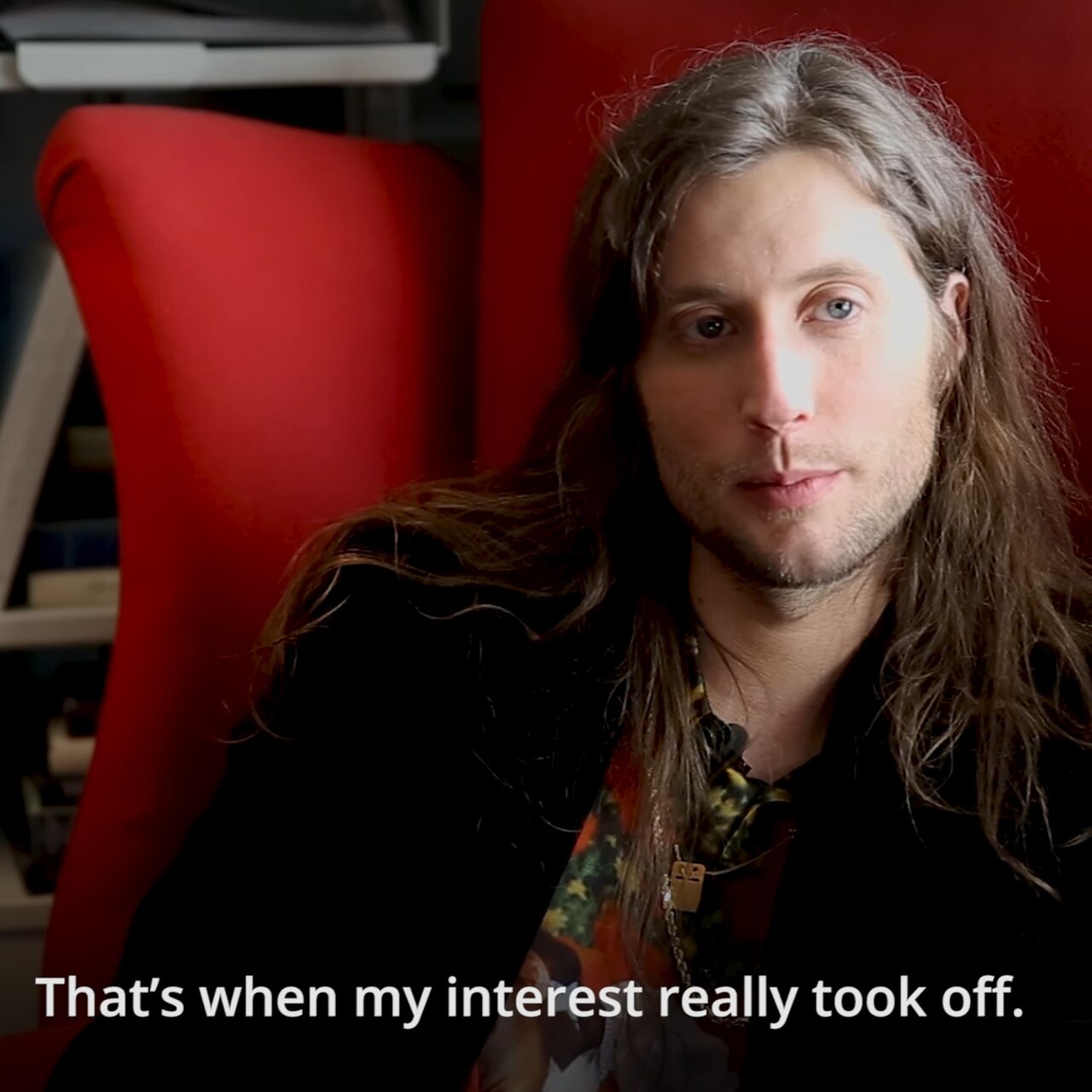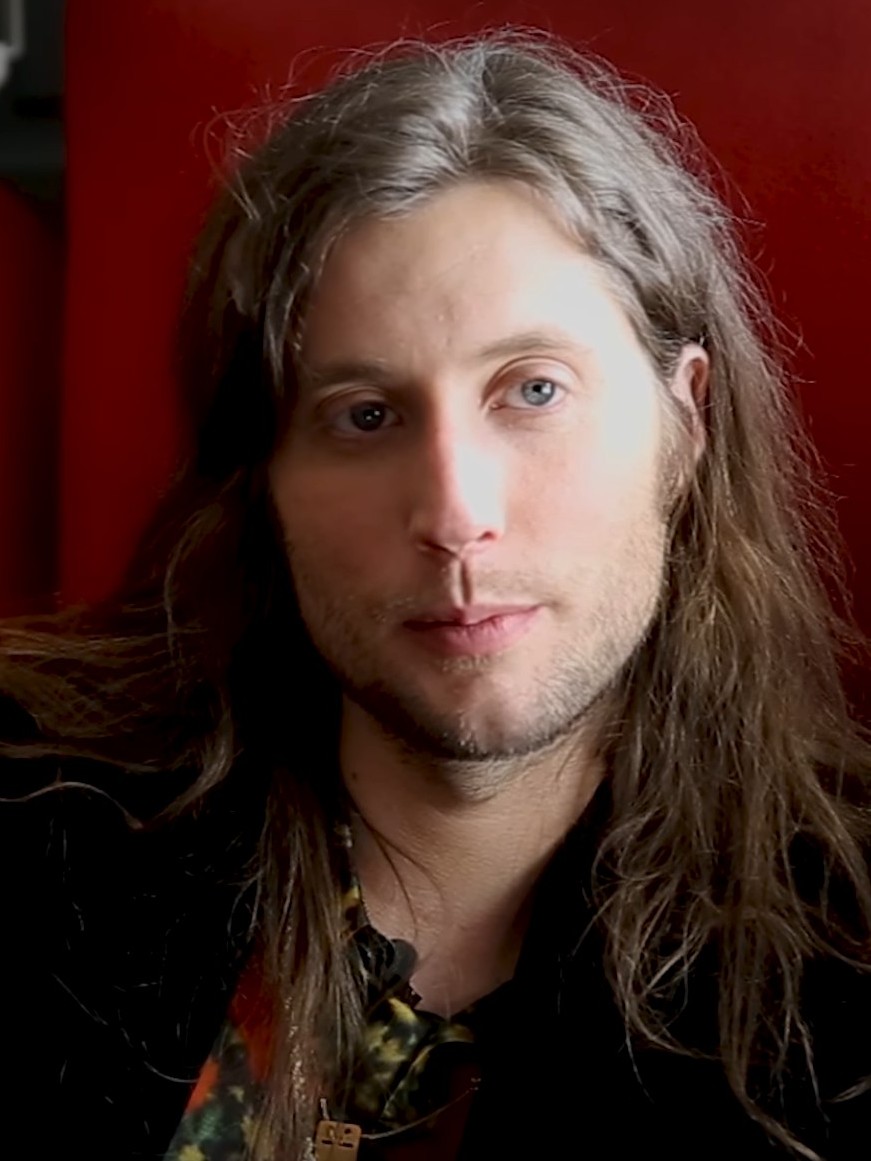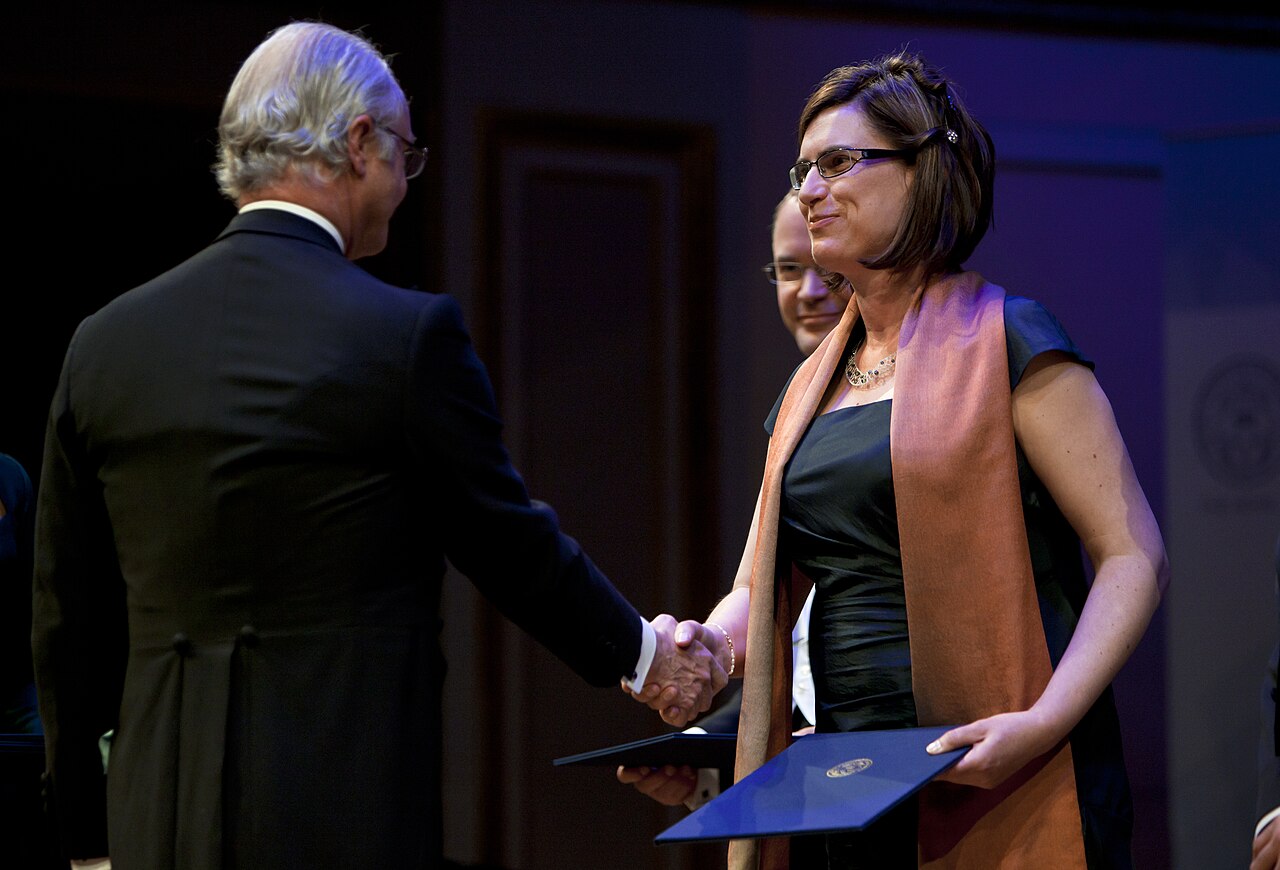









There is a decent argument that Ludwig Göransson is the most important Swedish cultural export of the last decade. Not the most famous, that race belongs to whoever you ask on a given day, but the most quietly powerful. When Hollywood needs a sound that feels like the future, it calls a 41-year-old from Linköping.
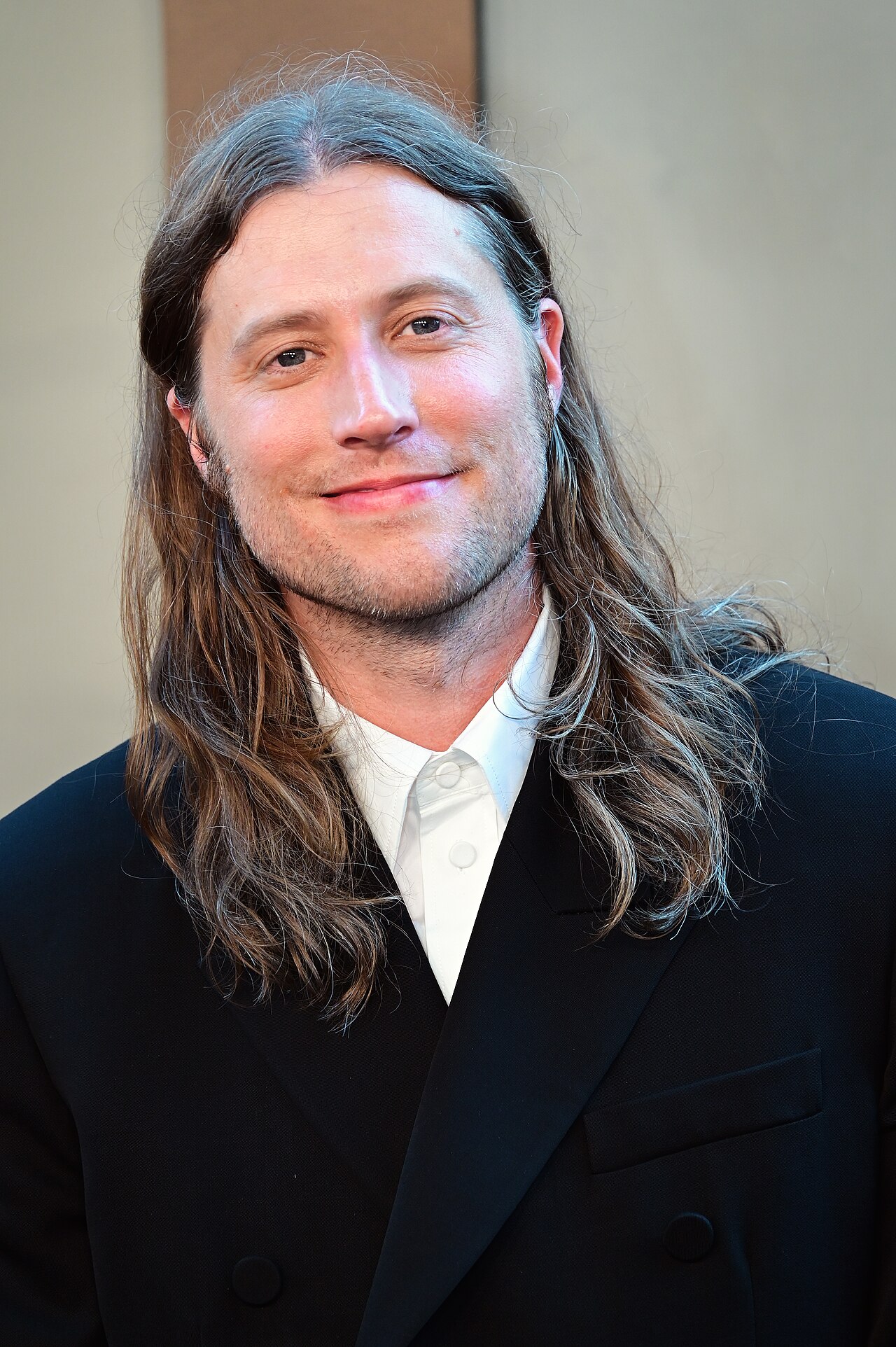
2026 has been a victory lap and a workload record at the same time. Here is how the year has played out for Sweden’s busiest composer.
The Sinners awards run
The year opened with Göransson sweeping awards season for Sinners, Ryan Coogler’s blues-drenched vampire epic. In January he won the Golden Globe for Best Original Score, a win that made headlines for the wrong reason: the category was cut from the televised broadcast for time, and the film-music internet erupted. Hans Zimmer called the decision, in his words, a little bit ignorant. The win itself was never in doubt, though. The Sinners score, built on Delta blues, gospel and field recordings, was the kind of music that made even casual viewers ask “who did this?”
He followed it at the Society of Composers and Lyricists awards, taking Outstanding Original Score for a Studio Film and Outstanding Original Song for “I Lied to You.” By the spring he had added his third Academy Award to the shelf next to Black Panther (2019) and Oppenheimer (2024). Three Oscars before 45. For context, John Williams has five across a 60-year career.
Returning to a galaxy far, far away
In May the soundtrack dropped for The Mandalorian and Grogu, the theatrical film carrying the Star Wars TV phenomenon onto the big screen. Göransson was confirmed for the job back in September 2025, a homecoming of sorts: he wrote the music for the first two seasons of The Mandalorian, including the instantly recognizable main theme that launched a thousand recorder covers.
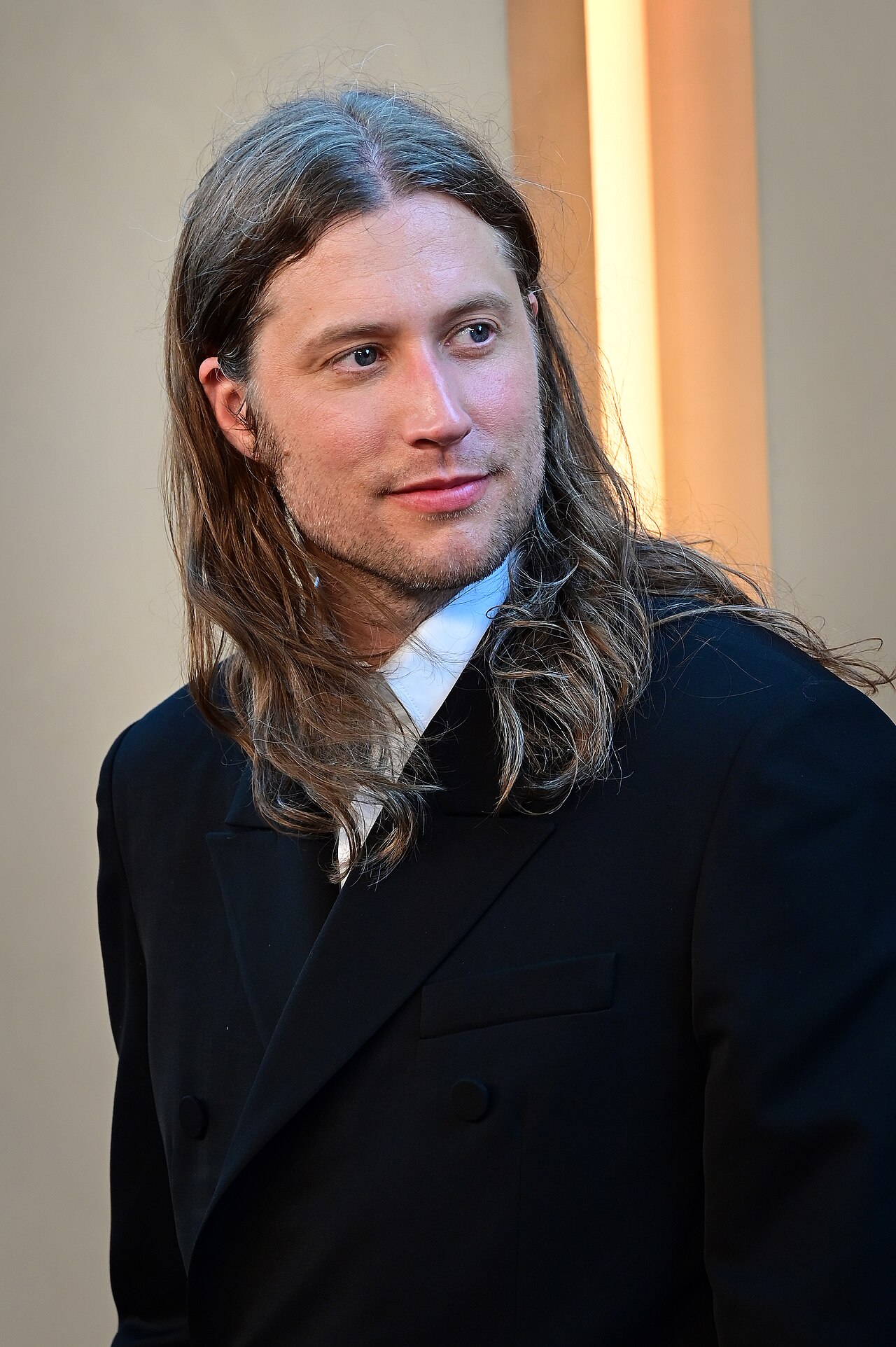
The film score, recorded at the Fox Studio Lot in January and released by Walt Disney Records in May, reworks that theme across a full theatrical canvas. There was even a remix of the main theme by electronic artist Boys Noize released ahead of the album, and a special 10-inch vinyl shaped like the Mandalorian’s helmet. Because of course there was.
Building ancient Greece for Nolan
The summer, though, belonged to The Odyssey. Christopher Nolan’s adaptation of Homer’s epic arrived on July 17, 2026, and Göransson’s score arrived the same day via Back Lot Music. This is their third collaboration after Tenet and Oppenheimer, and arguably the most ambitious: 22 original cues recorded across Abbey Road in London, Real World in Box, Conway in Hollywood, and studios in Tirana and Vlorë, Albania.
In Universal’s behind-the-scenes featurette, Göransson explained that Nolan wanted the score to feel timeless rather than like a conventional historical epic. His starting point was two instruments Nolan specifically asked for: the aulos, an ancient double-pipe reed instrument, and the lyre. From there he built a sound that stretches from the Mediterranean to, apparently, outer space: the end-credits song “When I’m Home” was co-written by Göransson, James Blake, Travis Scott and Nolan himself, and is performed by Blake and Scott. It should not work on paper. On screen, by most accounts, it works.
Why Sweden keeps producing him
Göransson’s path is worth repeating because it sounds too neat to be real. He grew up in Linköping playing guitar, studied at the Royal College of Music in Stockholm, then moved to Los Angeles to study at USC’s film scoring program. His break came assisting Theodore Shapiro, then came Community, then Fruitvale Station with Coogler, and the rest is film history.

Swedish music education, with its municipal music schools that put instruments in the hands of nearly every kid, deserves some credit. But the real story is Göransson’s range. In one calendar year he has scored a vampire blues epic, a Star Wars film and a Homeric saga, and made each one sound like it could only be his. The through line is curiosity: field recordings in Mississippi, ancient Greek pipes, synthesizers from a galaxy far away. He treats every project like an anthropology trip.
So the next time you are sitting in a dark cinema and the music gives you goosebumps before a single line of dialogue, check the credits. There is a very good chance the name at the end is Swedish.