



Nobel week 2026 is nearly over, and Stockholm has been busy. From a light switch for the brain to ghost particles under Antarctic ice, this year’s laureates span an extraordinary range of human achievement. Here’s your complete guide to every 2026 Nobel winner announced so far.
Medicine: lighting up the brain
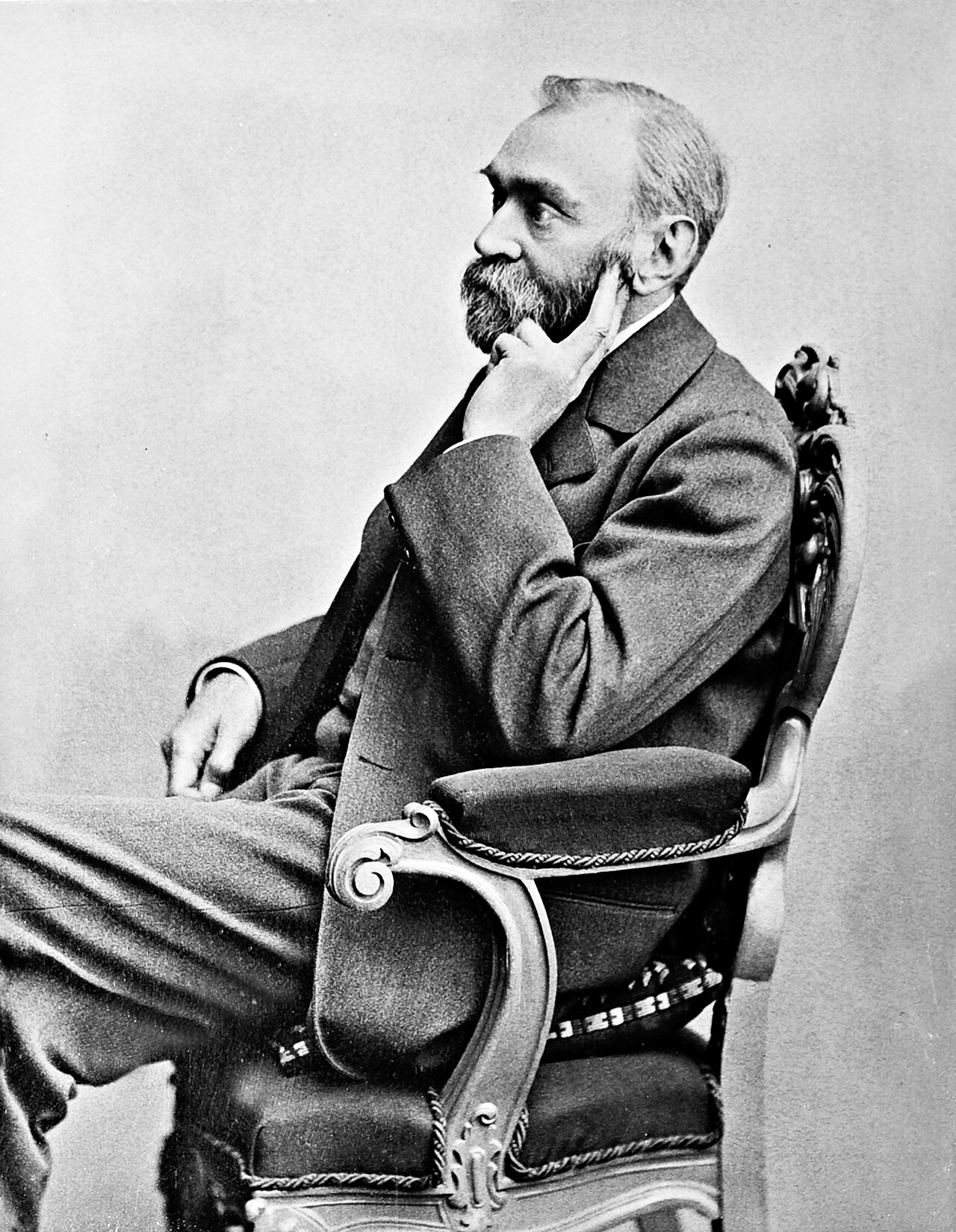
The week opened on Monday at Stockholm’s Karolinska Institute with the Nobel Prize in Physiology or Medicine going to American neuroscientist Karl Deisseroth and Germans Peter Hegemann and Georg Nagel, honoured for their discoveries concerning light-gated ion channels and the birth of optogenetics.
Optogenetics lets researchers switch the activity of individual nerve cells in a living brain on and off with precisely controlled light. The story began with a humble green alga, Chlamydomonas: Hegemann (Humboldt University of Berlin) and Nagel (University of Würzburg) discovered that it senses light with a protein called channelrhodopsin. Deisseroth, at Stanford, then showed the gene for that protein could make rat nerve cells respond to blue light — a tool that has since transformed neuroscience and is being explored for restoring vision in people with retinitis pigmentosa. The trio will share the prize sum of 12 million Swedish crowns. Deisseroth, a self-described night owl, was still awake when the call from Stockholm came in.
Physics: hunting ghost particles at the South Pole
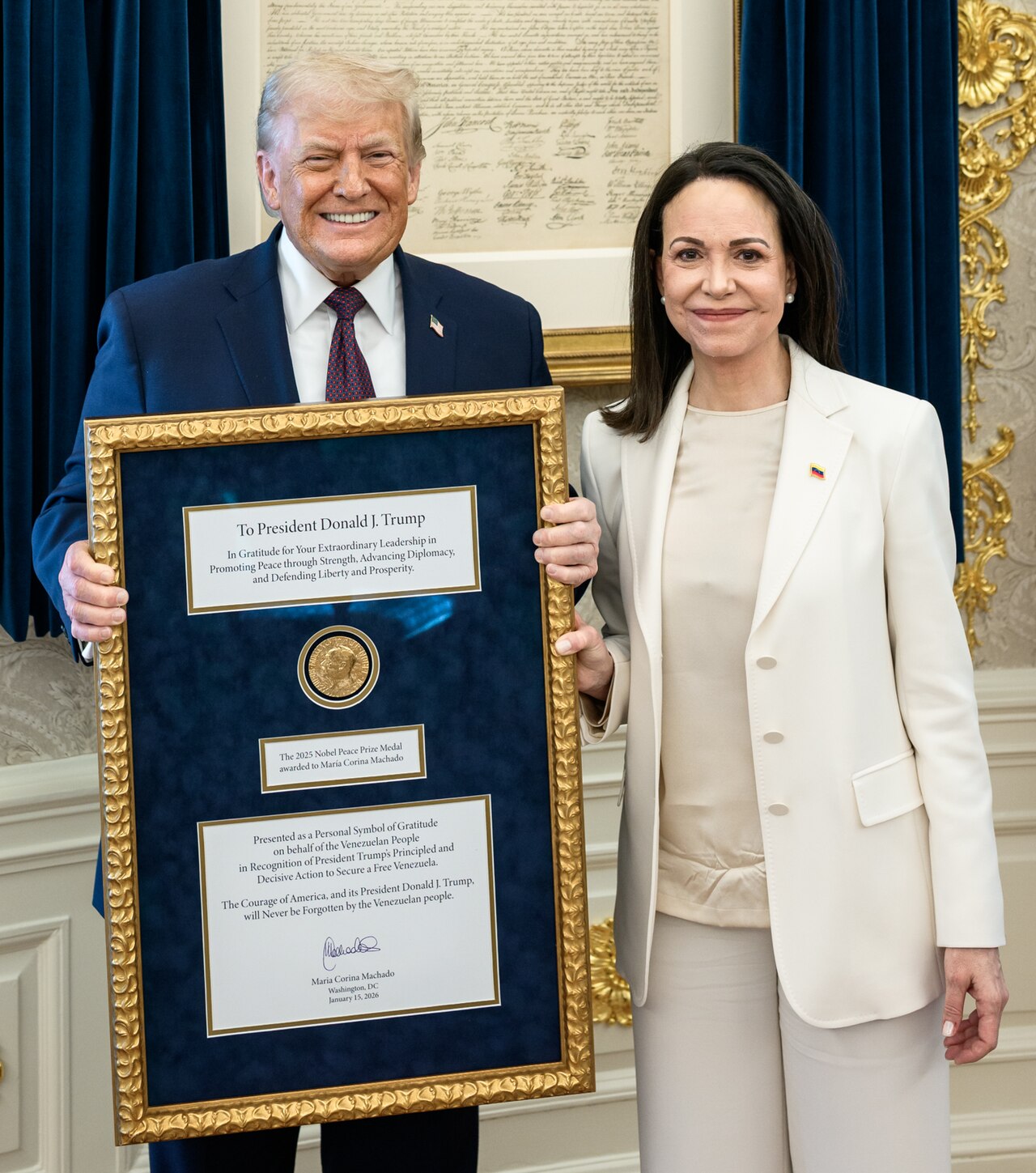
On Tuesday, the Royal Swedish Academy of Sciences awarded the physics prize to Francis Halzen of the University of Wisconsin–Madison, “for decisive contributions to the IceCube Neutrino Observatory and the discovery of high-energy neutrinos of astrophysical origin.”
Born in Belgium, the 82-year-old first sketched the idea of using Antarctic ice to catch neutrinos in 1988. The result was IceCube: more than 5,000 light sensors frozen into a cubic kilometre of ice, 1.5 to 2.5 kilometres beneath the South Pole. Since reporting the first evidence of high-energy neutrinos from beyond our solar system in 2013, the observatory has opened an entirely new kind of astronomy — one that sees the universe not in light, but in nearly massless “ghost particles” streaming from distant galaxies and exploding stars. IceCube was completed in December 2010 with funding from the US National Science Foundation.
Chemistry: the mirror-image mystery
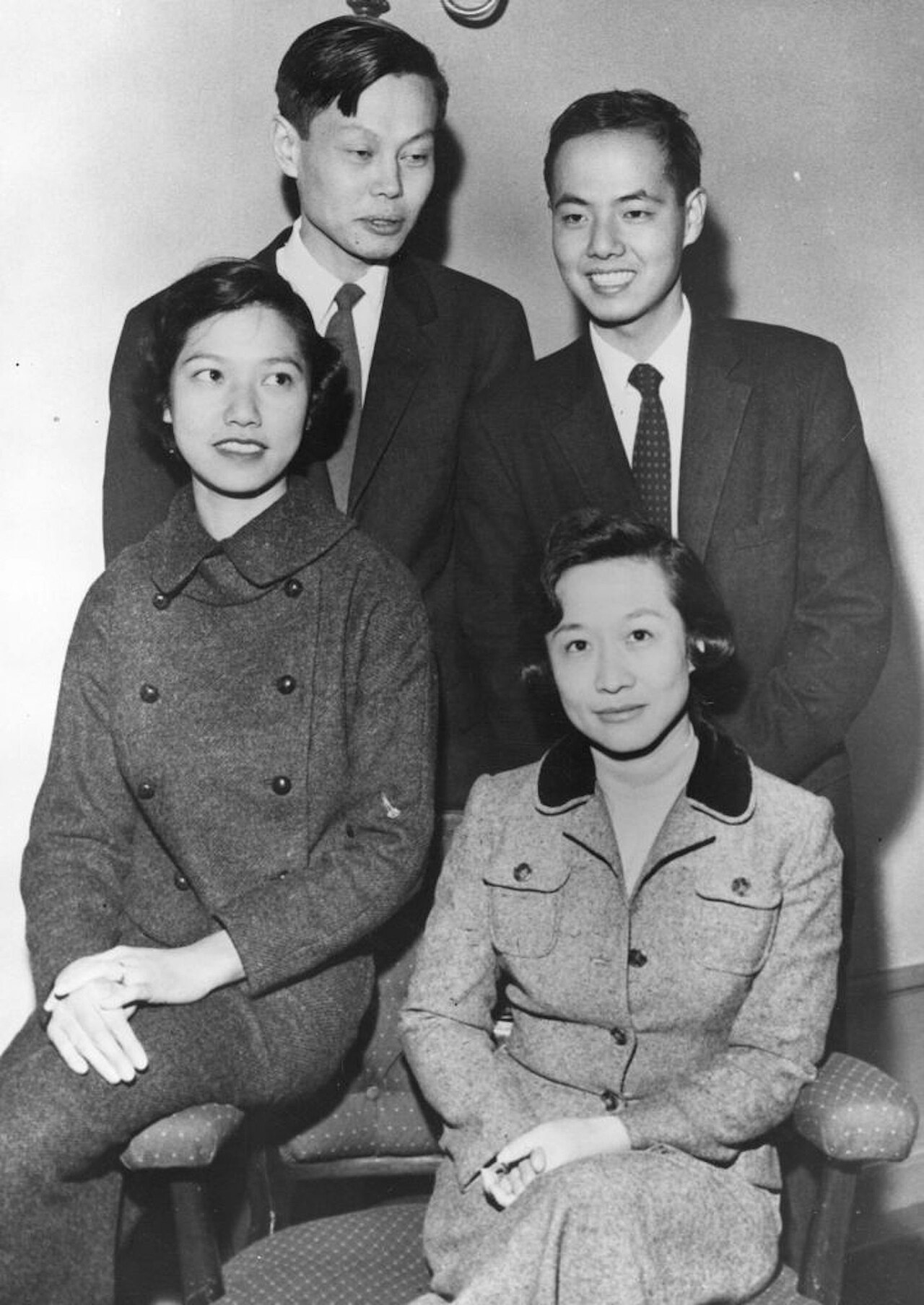
Wednesday’s chemistry prize went to Henri Kagan of France and Kenso Soai of Japan, honoured “for the discovery of non-linear effects and autocatalysis in asymmetric organic synthesis.” Their work solved a riddle more than a century old: why the molecules essential to life come in mirror-image forms, like left and right hands, yet living organisms almost exclusively use one version — a phenomenon called homochirality.
Kagan, 95, of Paris-Sud University is a pioneer of asymmetric catalysis; Soai, 76, of the Tokyo University of Science discovered the autocatalytic reaction that bears his name, which amplifies tiny molecular asymmetries into a single handedness. Their findings are hugely important for pharmaceutical manufacturing, where the “left-handed” and “right-handed” versions of a drug can have very different effects. Soai told the press conference he had been out grocery shopping when Stockholm called — “the most exciting day in my life,” he said. Kagan is the third-oldest person ever awarded a Nobel Prize.
Literature: Anne Carson takes the prize
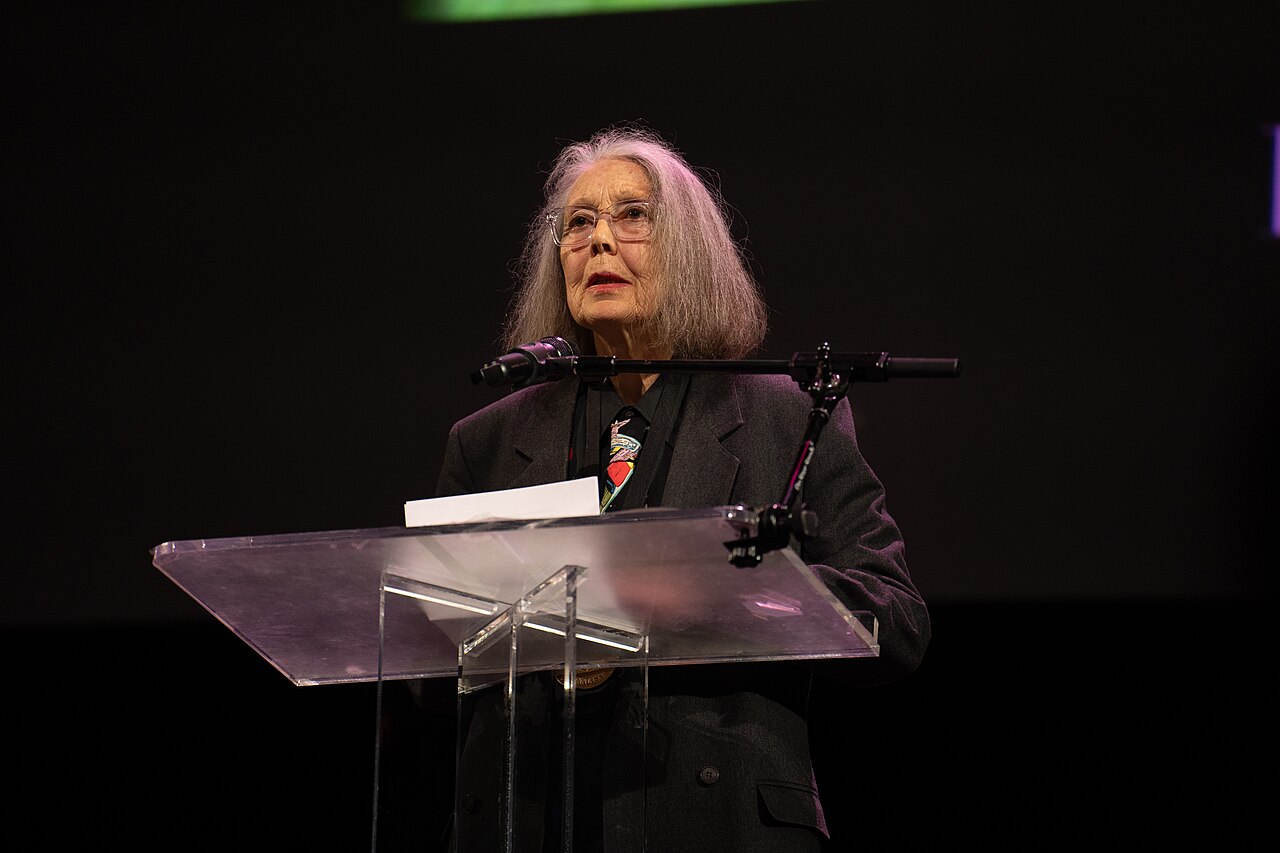
On Thursday, the Swedish Academy turned the spotlight on poetry. Canadian writer Anne Carson received the 2026 Nobel Prize in Literature. We’ve covered her win in depth — from her genre-defying blend of classics scholarship and contemporary poetry to what the prize means for her career.
Read our full story: Anne Carson Wins the 2026 Nobel Prize in Literature
Peace: Navi Pillay’s moment
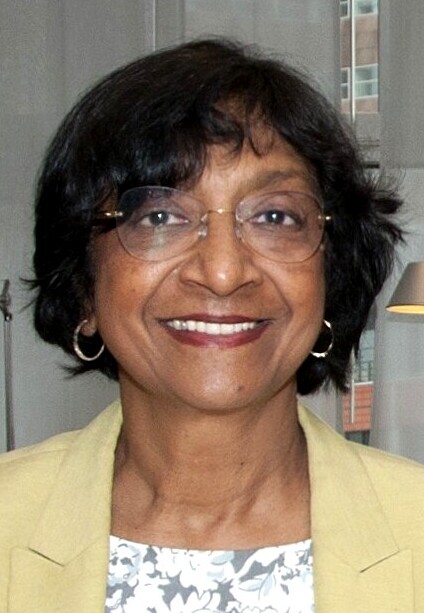
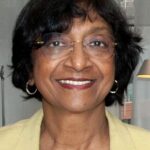
Friday’s announcement came from Oslo, where the Norwegian Nobel Committee awarded the 2026 Nobel Peace Prize to Navanethem “Navi” Pillay, the 85-year-old South African jurist, former UN High Commissioner for Human Rights and former ICC judge, for her efforts to promote peace and international law. She dedicated the prize to survivors of international crimes.
Read our full story: Navi Pillay Wins the 2026 Nobel Peace Prize
One prize to go: economics on Monday
The series closes on Monday, 12 October, when the Royal Swedish Academy of Sciences announces the Sveriges Riksbank Prize in Economic Sciences in Memory of Alfred Nobel at 11:45 CEST (3:15 PM IST). We’ll be watching — check back Monday afternoon for the final name on this year’s list.
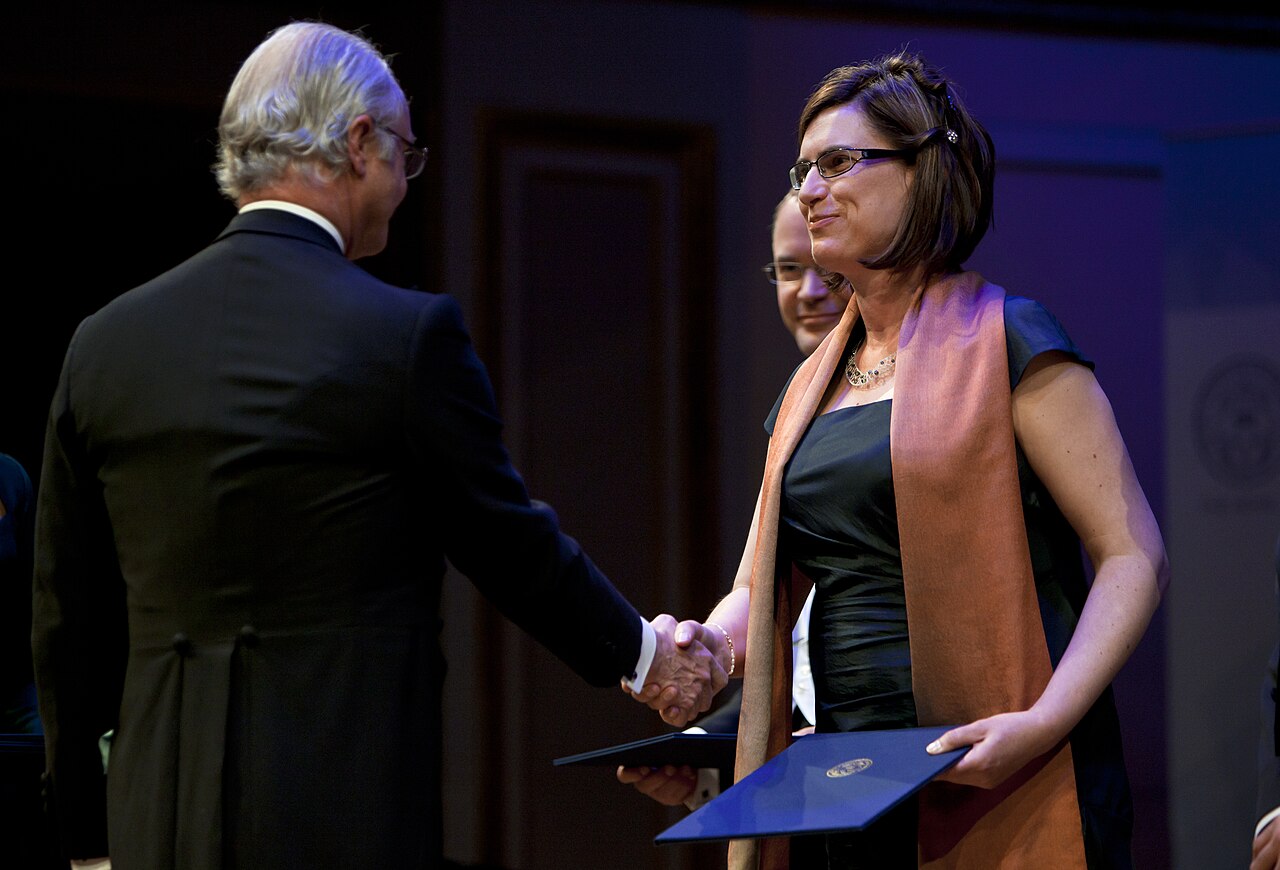
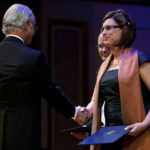
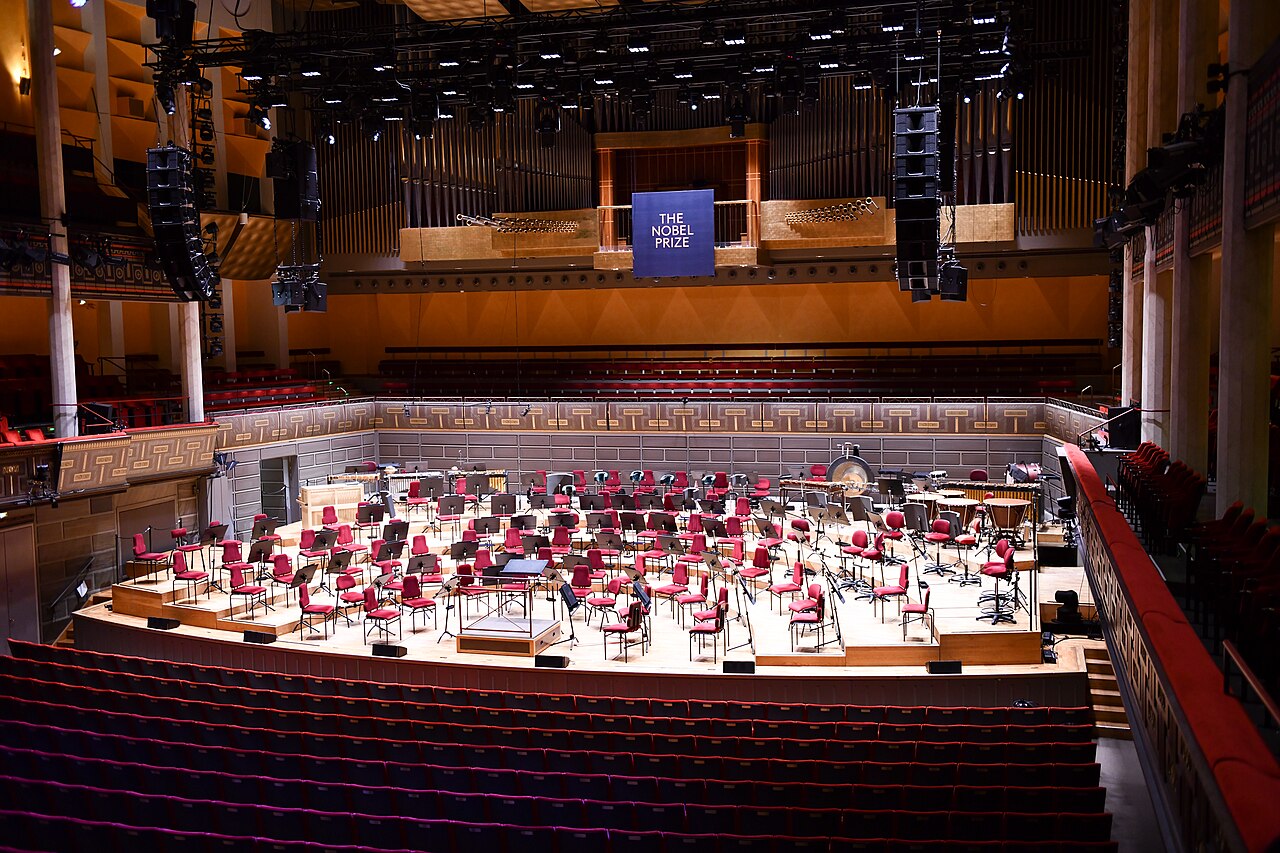
Nobel week always reminds Sweden and the world of the same thing: curiosity compounds. A 1988 sketch of a detector in ice, an alga that senses light, a chemist’s hunch about mirror images — decades later, each became a prize. The laureates will receive their medals and diplomas from the King of Sweden at the Stockholm Concert Hall on 10 December, with the traditional banquet to follow at Stockholm City Hall.