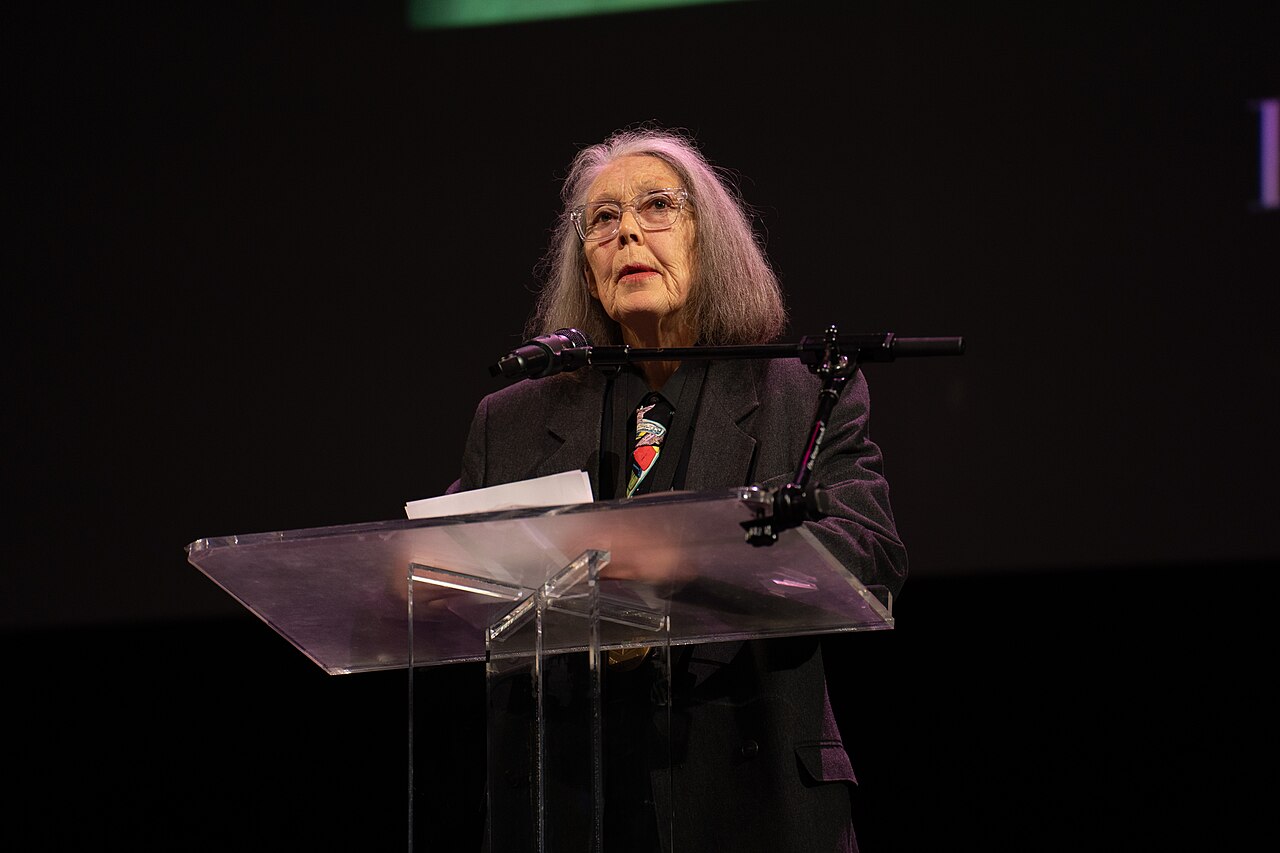








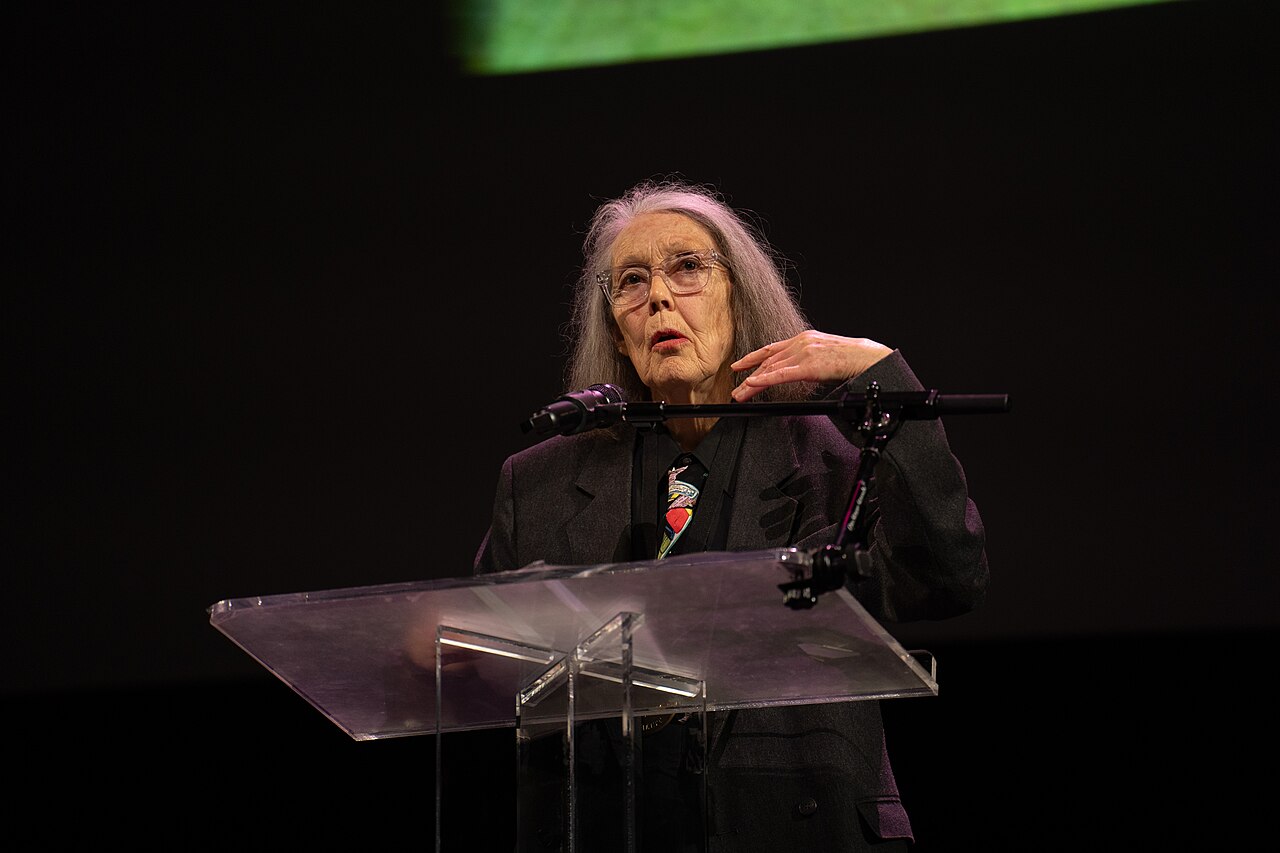
The Swedish Academy in Stockholm announced on Thursday, October 8, that the 2026 Nobel Prize in Literature goes to Canadian poet Anne Carson, 76. The announcement was made by the Academy’s Permanent Secretary, Ingrid Carlberg, with Nobel Committee chair Anders Olsson present.
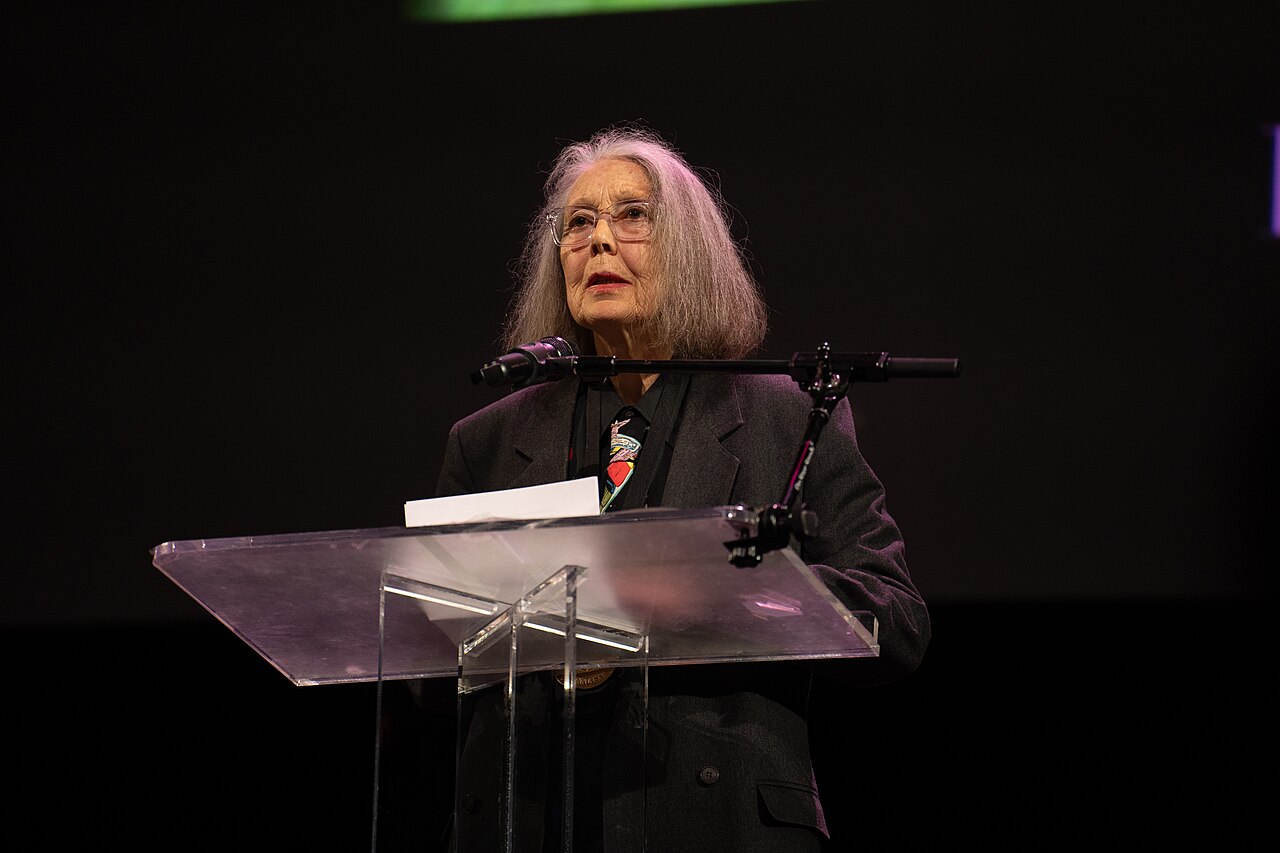
Carson was honored “for her bold and inventive oeuvre that, in playful dialogue with the classical tradition, has created new forms for contemporary literature,” according to the Academy’s official citation. The prize is worth 12 million Swedish kronor, roughly $1.2 million.
The announcement in Stockholm
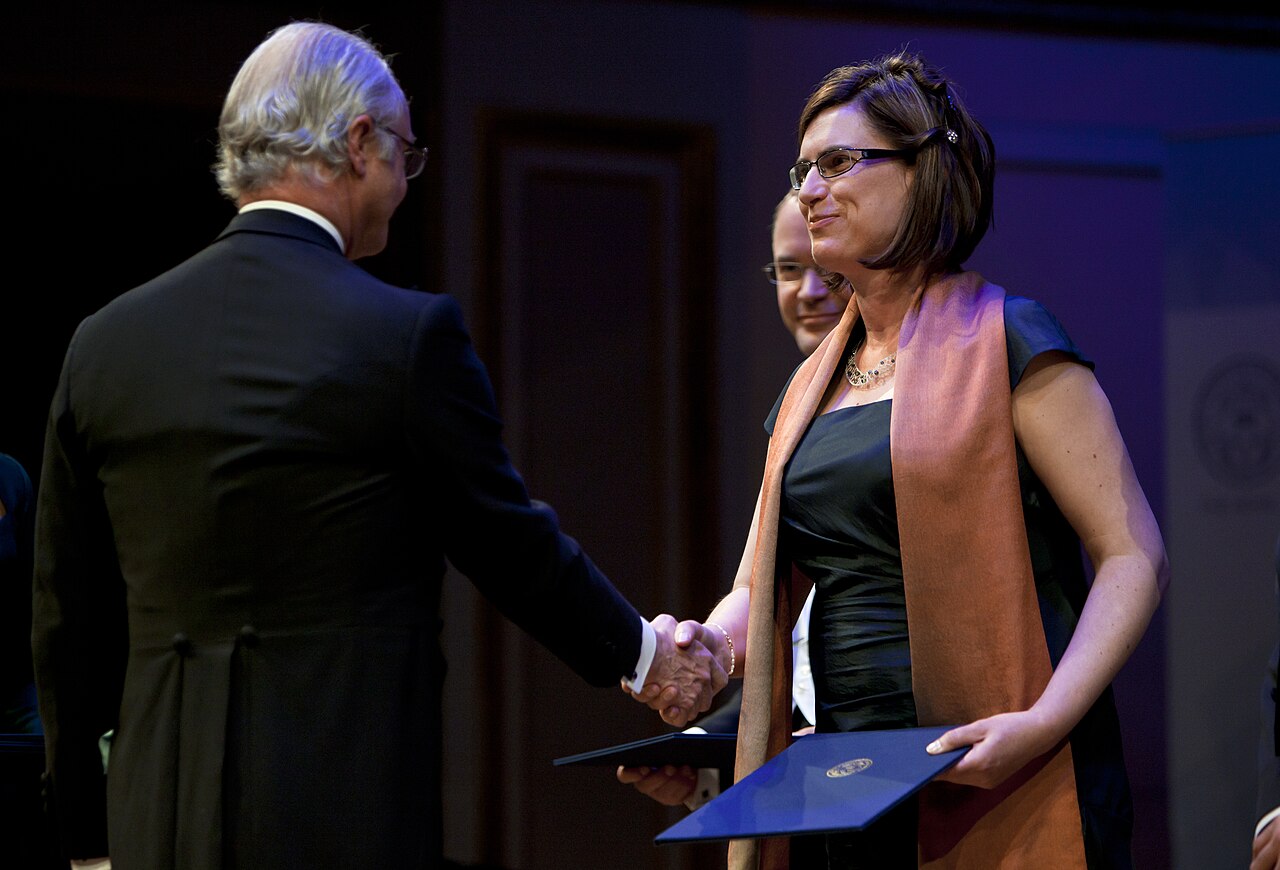
The literature prize is traditionally announced from the Swedish Academy’s seat in Stockholm’s Old Town, and this year was no exception. The Academy, founded in 1786, has awarded the literature prize since 1901, carrying out the will of Alfred Nobel, the Swedish inventor and industrialist who established the prizes.
Carson becomes the 19th woman to receive the Nobel Prize in Literature in its 125-year history. She is also the first Canadian laureate in the category since Alice Munro won in 2013.
A classicist by training
Carson was born in Toronto in 1950. She is a trained classicist — a scholar of ancient Greek and Latin — and that deep formation in the classical tradition runs through everything she has written. Her academic career took her to some of North America’s most prominent universities, with teaching posts at McGill, Michigan, Princeton, and NYU.
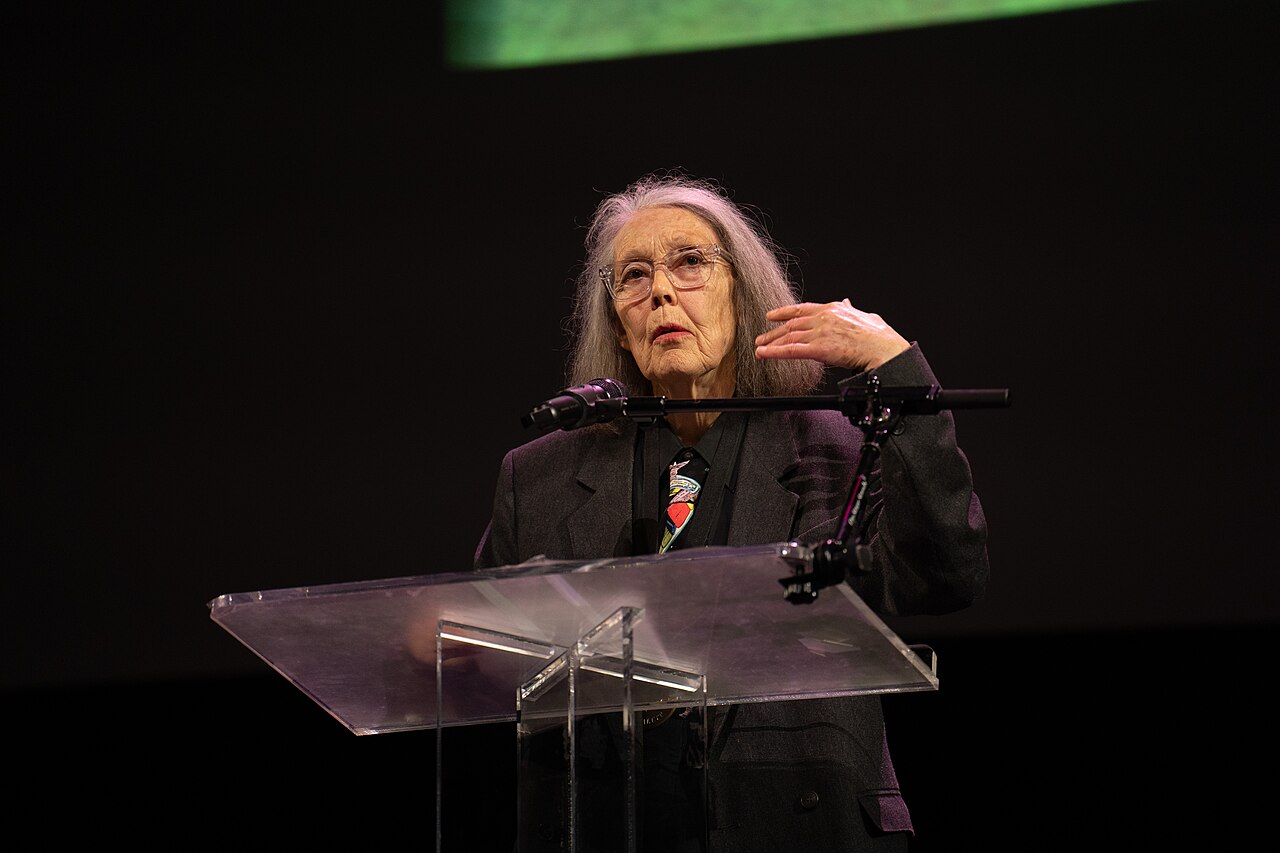
That scholarly background is central to her reputation. Rather than keeping her classical training and her poetry in separate compartments, Carson built a career on colliding them: ancient texts, myth, and philology sit side by side with autobiography, essay, and lyric poetry in her books. The Academy’s citation singles out exactly this quality — the “playful dialogue with the classical tradition” that produced new literary forms.
The works that made her name
Carson’s bibliography is famously hard to categorize, which is part of the point. Her best-known book, “Autobiography of Red” (1998), is a verse novel — a retelling of an ancient Greek myth in contemporary free verse that became her breakout work and remains her most widely read.
“Eros the Bittersweet” (1986), one of her earliest books, is a study of desire in ancient Greek literature that reads as part scholarship, part poetry. It established the hybrid mode she would work in for decades: rigorous classical learning delivered in prose that refuses to behave like conventional criticism.
“Nox” (2010), her elegy for her brother, pushed the idea of what a book can physically be. It was published as a single long accordion-fold sheet housed in a box — part scrapbook, part dictionary, part mourning ritual. Like much of her work, it treats grief and scholarship as inseparable activities.
A prize with deep Swedish roots
For a site that follows Swedish culture, it is worth noting how Swedish this prize is. The literature Nobel is the only one of the five original prizes awarded by a Swedish institution and presented in Stockholm — the peace prize goes to Oslo, by Nobel’s design. The announcement, the December ceremony, and the prize money all flow from Alfred Nobel’s will, administered in Sweden for well over a century.
That makes the Swedish Academy’s choice a genuine piece of Swedish cultural news, not just an international headline that happens to involve Stockholm. Each October, the Academy’s Thursday announcement briefly turns the world’s literary attention to Sweden’s capital.
What the win signals
Carson’s selection continues a pattern in recent years of the Academy honoring writers whose work crosses genre boundaries. A poet-classicist-essayist who publishes accordion-fold elegies is about as far from a conventional novelist laureate as it is possible to get — and that appears to be precisely what the Academy wanted to reward.
For Canada, the win ends a 13-year wait for another literature laureate after Munro. For the prize’s own history, a 19th woman laureate remains a stark reminder of how male-dominated the list has been across 125 years — a fact the Academy’s recent selections have only begun to address.
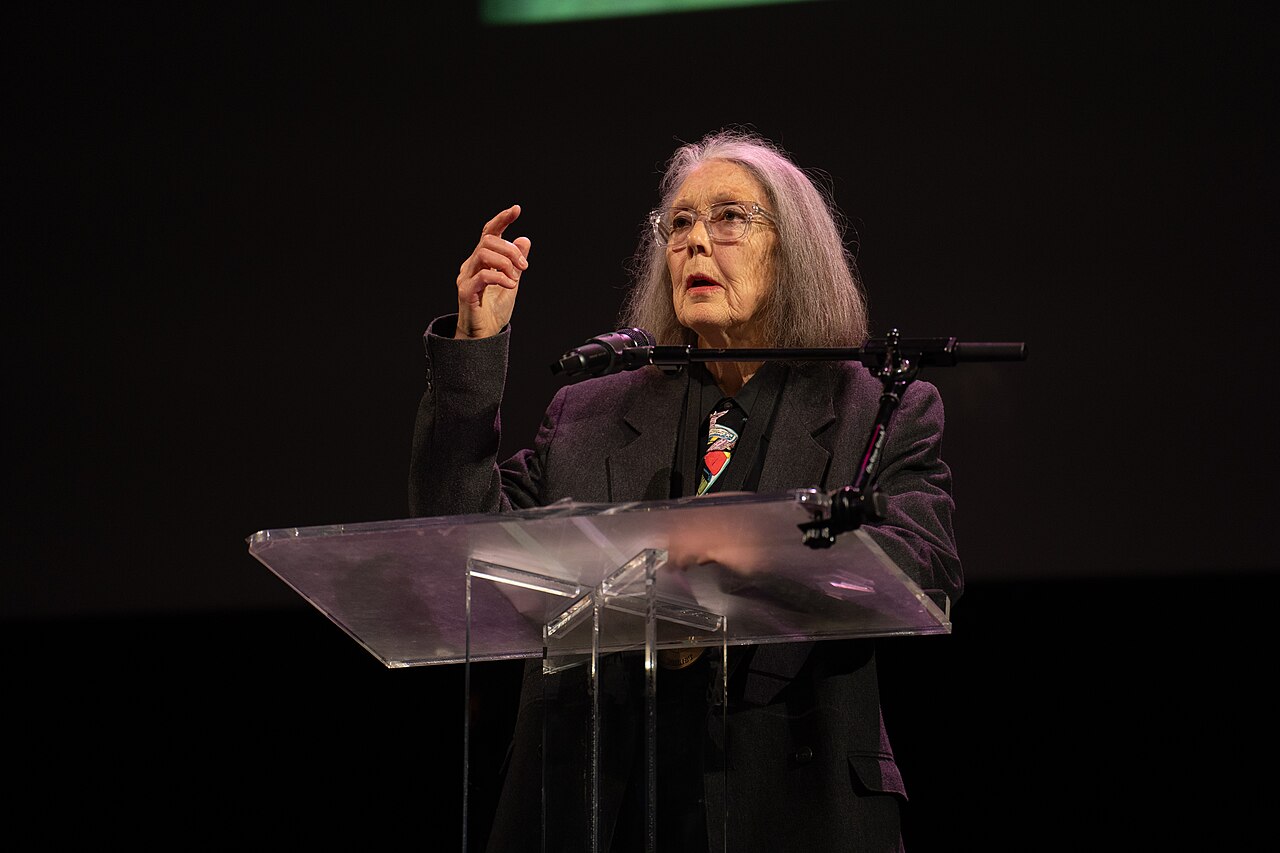
Carson herself is known for avoiding the spotlight, and true to form there was no immediate victory lap. The work, as the Academy framed it, speaks for itself: bold, inventive, and in conversation with texts two thousand years old — now with a Nobel medal to show for it.
Sources: Reuters via TBS News, Smithsonian Magazine, Brussels Signal.