








The final Nobel prize of 2026 has its winners. On Monday, the Royal Swedish Academy of Sciences in Stockholm awarded the Sveriges Riksbank Prize in Economic Sciences in Memory of Alfred Nobel — the prize the world knows simply as the Nobel Prize in Economics — to two American professors: Robert E. Hall and Michael Woodford.
The Academy honored the pair “for microeconomic foundations of macroeconomic stabilisation,” recognizing decades of research into how the everyday decisions of households, businesses and workers shape inflation, unemployment and economic growth — and how governments and central banks can use that understanding to steady the economy. The award is worth 12 million Swedish kronor, roughly $1.2 million, to be shared between the two laureates.
Two careers, one big question
Robert Hall, born in 1943, is an emeritus professor of economics at Stanford University and a senior fellow at the Hoover Institution. His research has centered on the moving parts of a modern economy: employment, inflation, consumer spending and economic fluctuations. But Hall may be best known for a job that goes beyond the lecture hall: he chairs the National Bureau of Economic Research’s Business Cycle Dating Committee, the small panel whose verdicts officially mark the beginning and end of American recessions and expansions.
Michael Woodford, born in 1955, is a professor of political economy at Columbia University and one of the leading figures in modern monetary economics. A central voice in New Keynesian economics — the framework most central banks use to analyze policy — Woodford’s influential 2003 book, Interest and Prices: Foundations of a Theory of Monetary Policy, laid much of the theoretical groundwork for understanding how central banks can stabilize inflation and economic activity.
One of Woodford’s most consequential contributions concerns expectations: the idea that central banks shape the economy not only through what they do, but through what they say. When a central bank signals that interest rates will stay low for an extended period, households and businesses may change their spending and investment decisions even before any policy action takes effect. That approach, known as forward guidance, became a cornerstone of monetary policymaking after the 2008 global financial crisis, when interest rates were already close to zero and central banks needed new tools to stimulate activity.
Why it matters right now
At the heart of the laureates’ work sits a fundamental challenge in economics: how do millions of individual financial decisions combine to shape the performance of an entire economy? Macroeconomics studies the big picture — inflation, employment, interest rates and growth — while microeconomics studies how individuals and businesses decide what to spend, save, hire and invest. Hall and Woodford built bridges between the two, giving economists sharper tools to explain why economies fall into recessions, why prices surge, and how monetary and fiscal policy can soften those swings.
The questions their models address are the same ones on the front pages today: how to contain inflation without unnecessarily pushing up unemployment, how to support economic activity during downturns, and how to design policies that blunt the force of financial and economic shocks. The Nobel committee’s choice lands as a nod to the ideas quietly underpinning the playbooks of central banks from Stockholm to Washington.
A Swedish prize with a short history
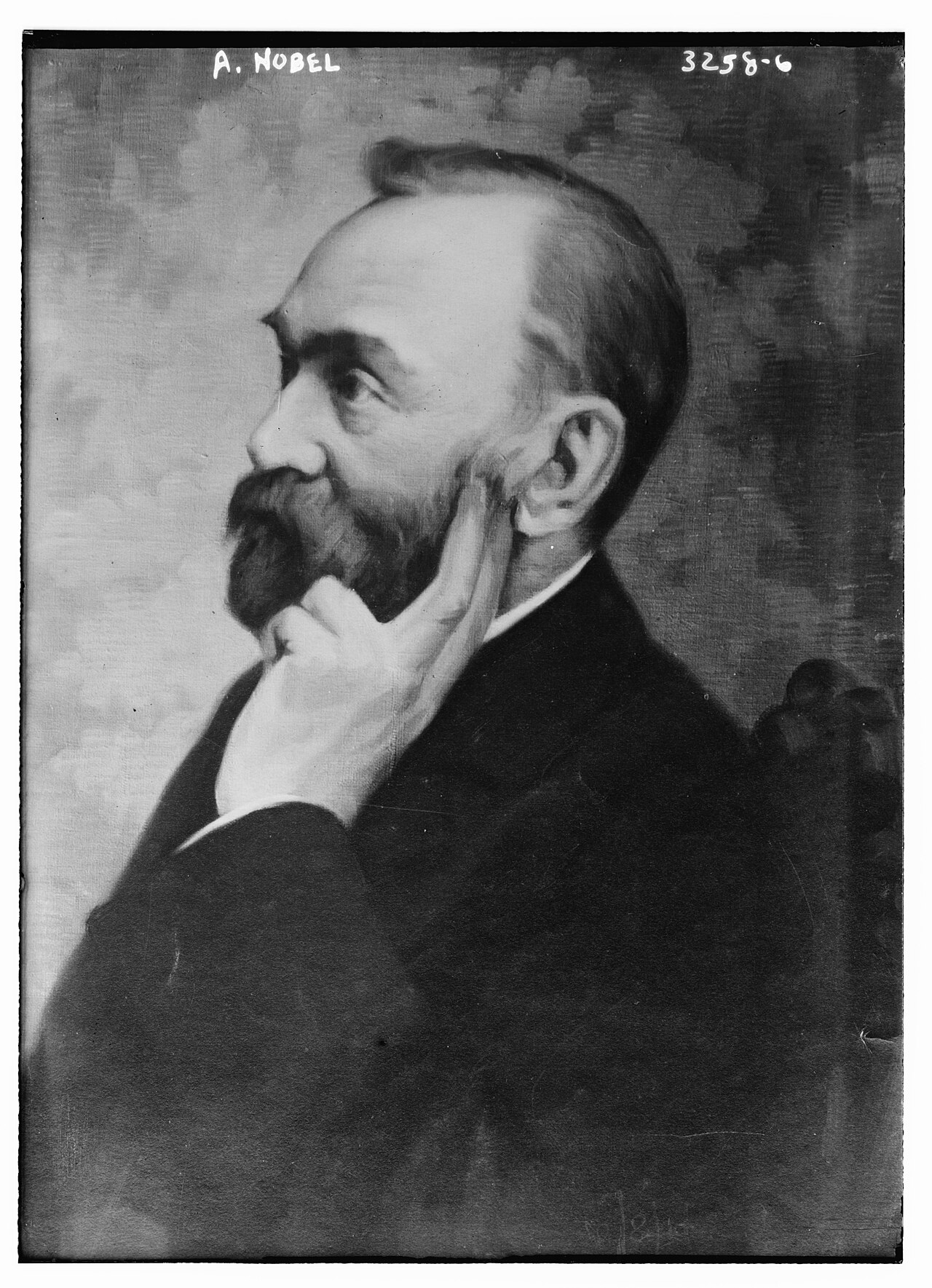
Unlike the five original Nobel Prizes, the economics award was not created in Alfred Nobel’s 1895 will. It was established in 1968 by Sweden’s central bank, Sveriges Riksbank, and first awarded in 1969. It is selected by the Royal Swedish Academy of Sciences and presented alongside the other Nobel honors — a Swedish institution through and through.
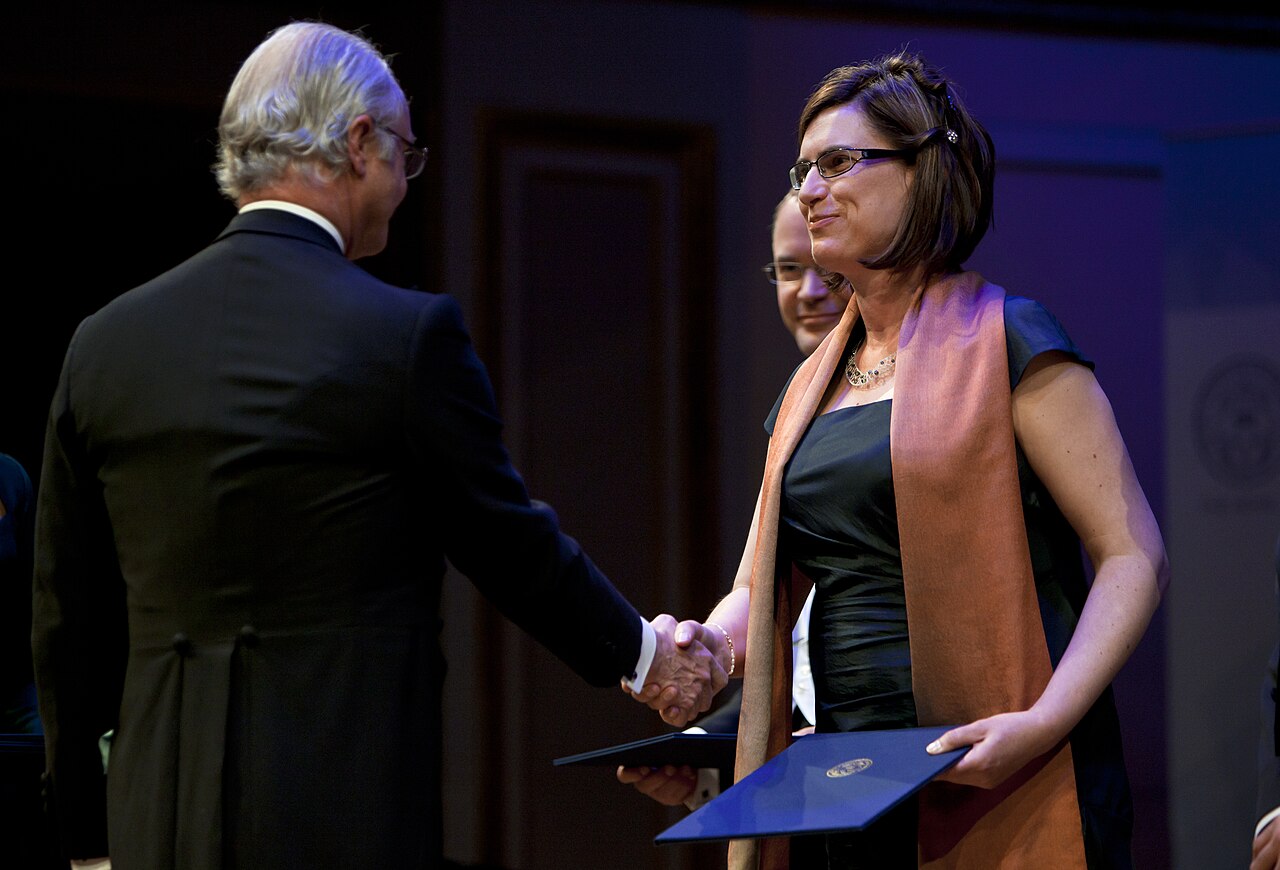
Last year’s laureates — Joel Mokyr, Philippe Aghion and Peter Howitt — were recognized for their work on “creative destruction,” the process by which new technologies and production methods replace old ones and lift living standards. The economics prize has historically been dominated by American laureates, and only three women have ever won it, most recently Claudia Goldin in 2023 for her research on gender, pay and employment.
What’s next
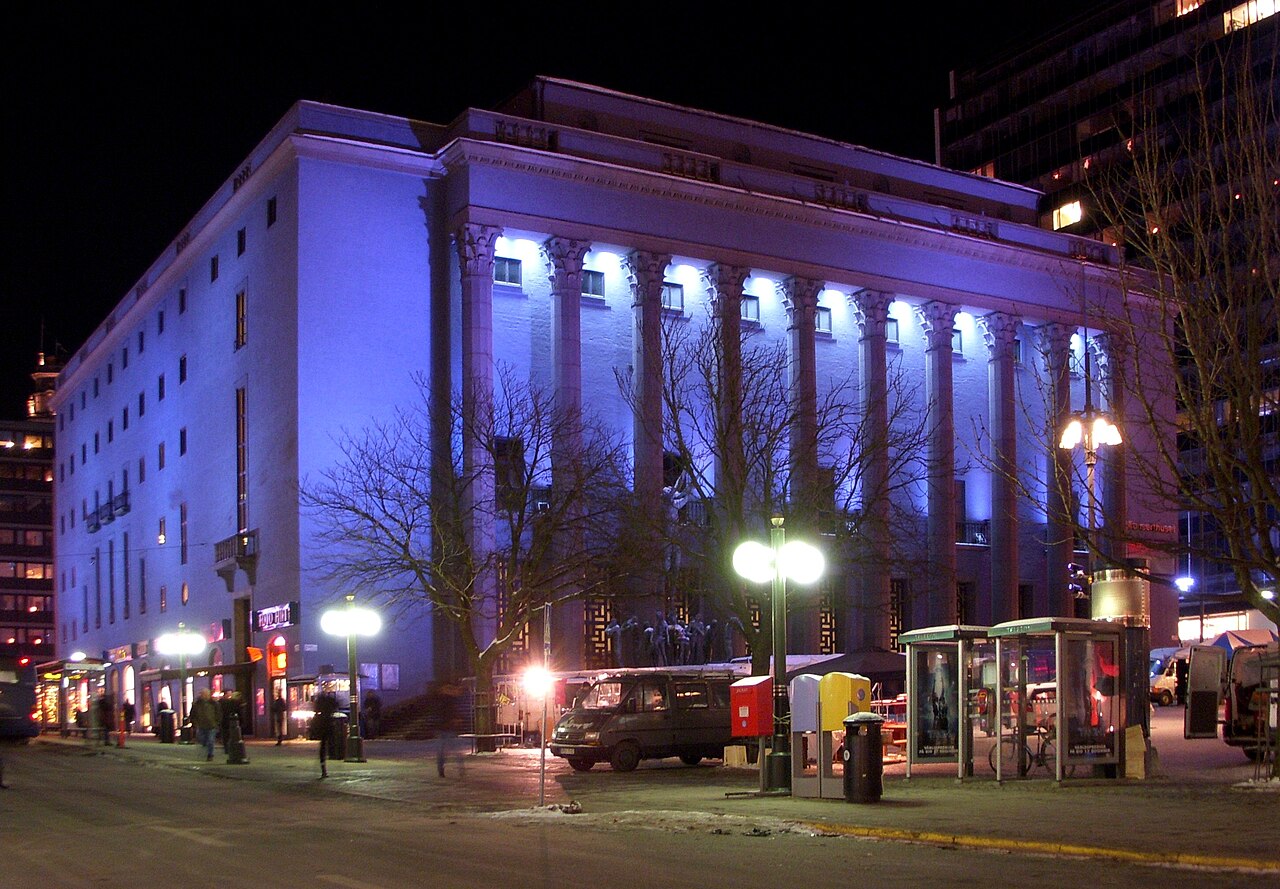
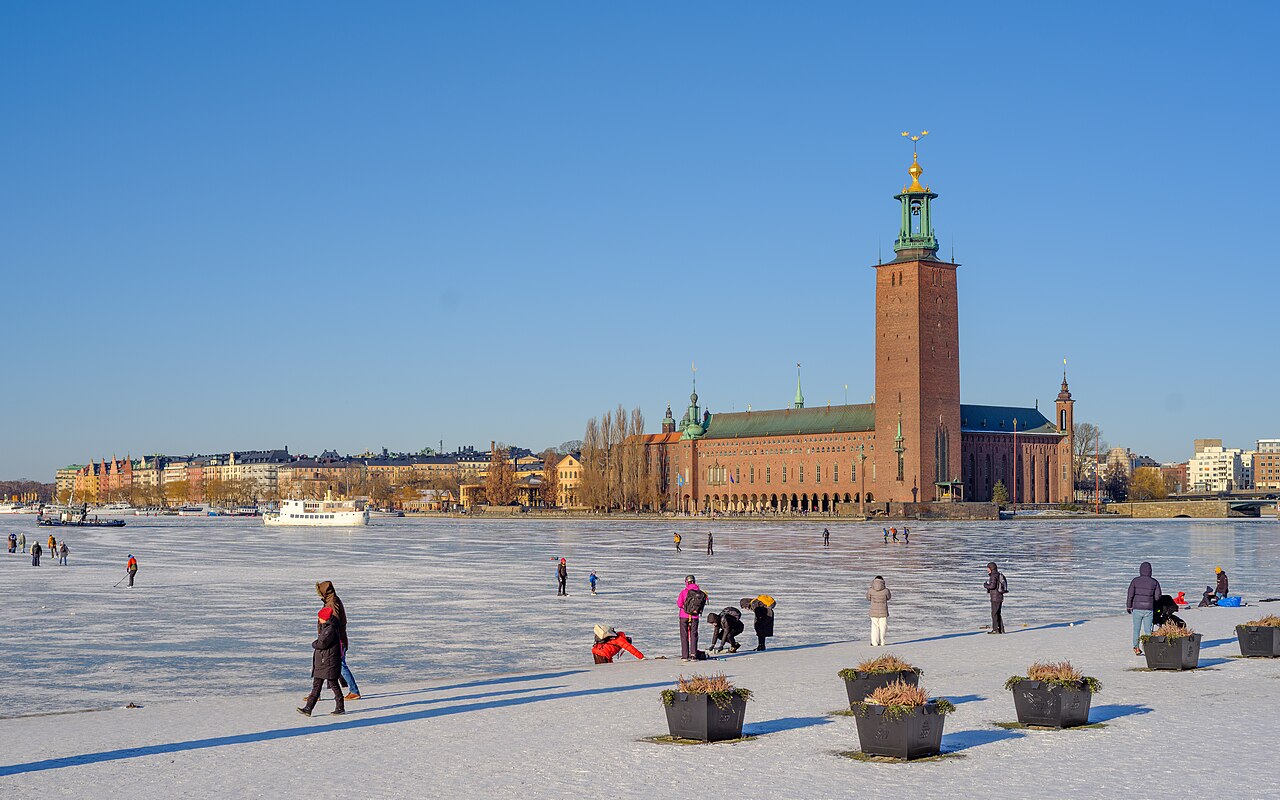
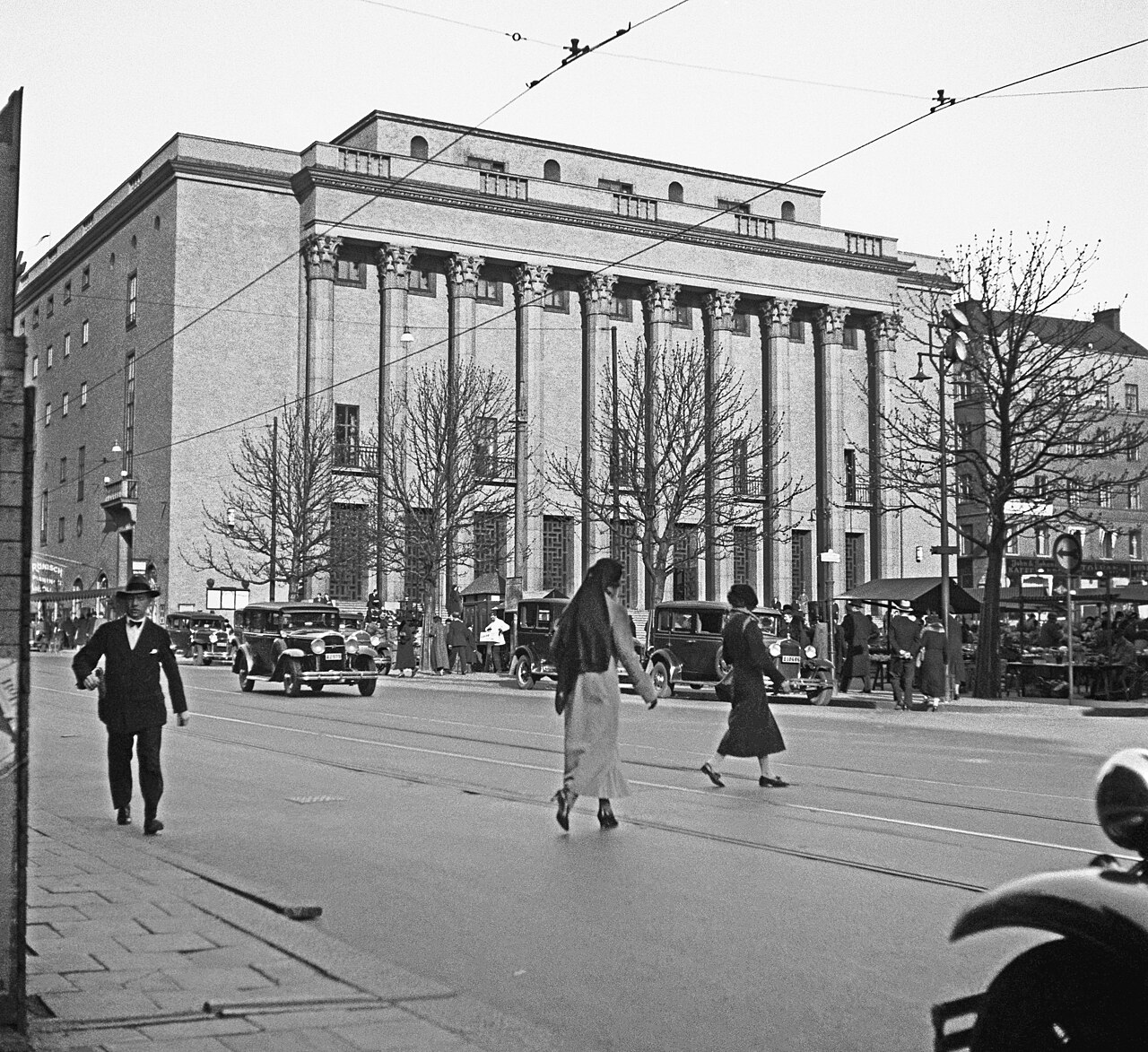
The award ceremony takes place on December 10 in Stockholm, when the laureates will receive their medals and diplomas at the city’s Concert Hall before the traditional banquet at Stockholm City Hall. Between now and then, expect the spotlight to turn to how Hall’s and Woodford’s ideas filter into the policy debates of a restless global economy.
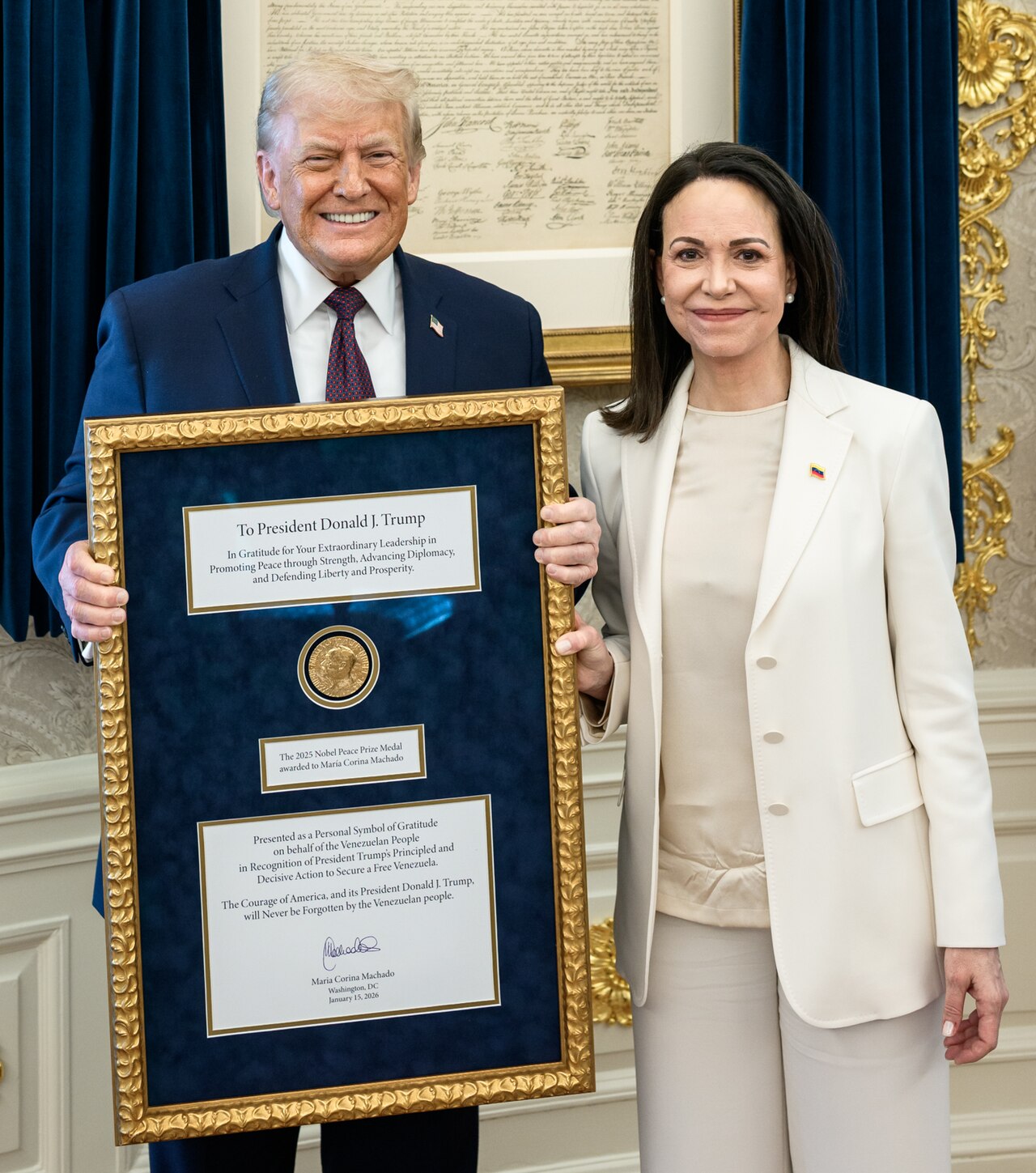
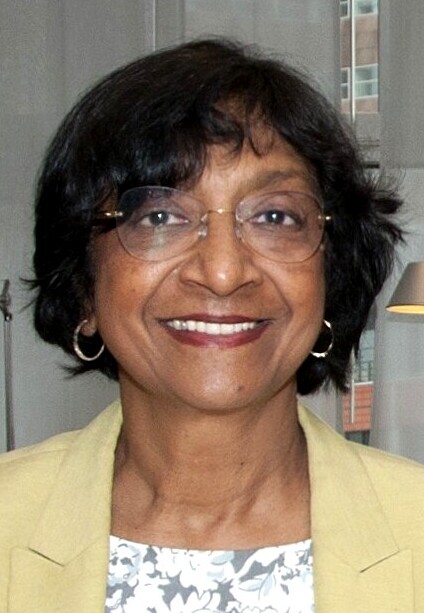
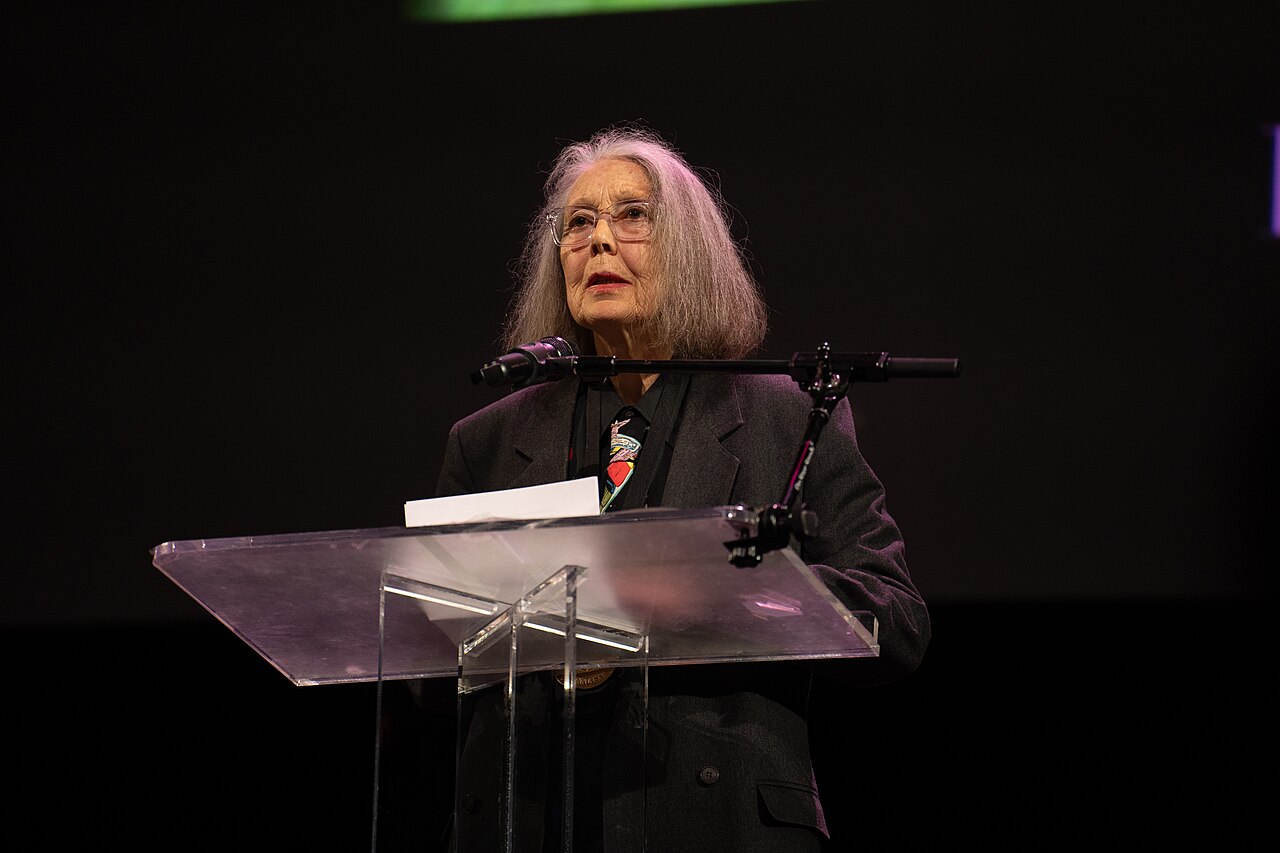
With the economics announcement, Nobel week 2026 is now complete. You can catch up on every laureate — from Anne Carson’s literature prize to Navi Pillay’s Peace Prize — in our full roundup of the 2026 Nobel winners.