






Greta Thunberg turned 23 this year. It has been eight years since she sat down outside the Swedish parliament with a handmade sign, and she remains one of the most recognized activists on the planet. Her 2026 has been characteristically busy, and characteristically contested. Here is a factual rundown of what is on the public record so far this year.

The background, briefly
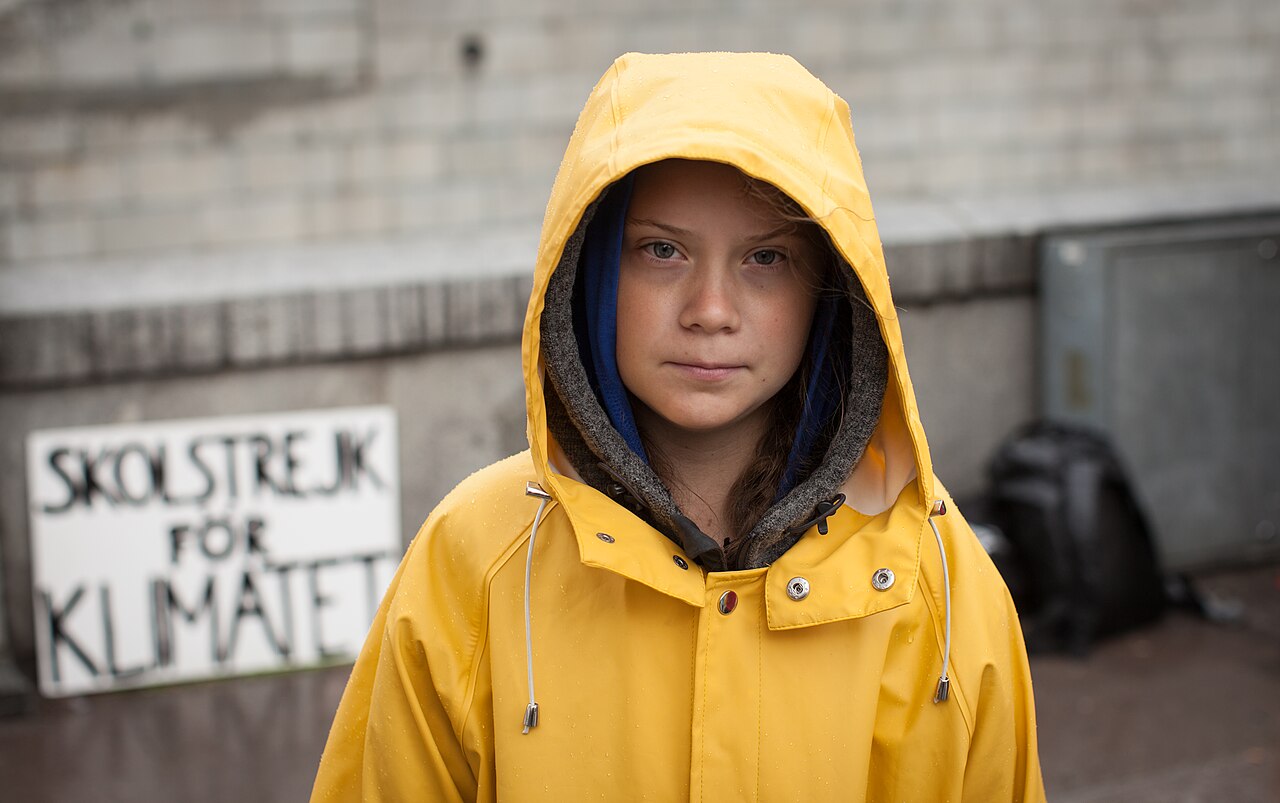
Thunberg was born in Stockholm on January 3, 2003. In August 2018, at 15, she began skipping school on Fridays to protest outside the Riksdag, demanding stronger Swedish climate action. The solo protest grew into Fridays for Future, a global movement of school strikes. She has since addressed the UN, parliaments and the World Economic Forum, and received extensive international media coverage. She does not hold elected office and represents no organization beyond the movements she participates in.
Davos, January
In January 2026, Thunberg attended the World Economic Forum in Davos, where she spoke to the Swedish news agency TT about the direction of global climate politics. Describing the situation as “a very dark development,” she said world leaders were moving in the wrong direction on climate commitments. The remarks were widely reported in Swedish media.
The Cuba convoy, February
In February, organizers of an international relief convoy to Cuba announced that the initiative had Thunberg’s backing. According to the organizers, the convoy was scheduled to land in Cuba in March. Thunberg has a record of lending her name to humanitarian logistics efforts alongside her climate work, and the announcement was reported by Sweden Herald among others.
The Danish election debate, March
In March, Thunberg became a reference point in Denmark’s election campaign. The Danish Democrats proposed introducing an entry ban for foreign activists who participate in illegal demonstrations, and cited the Swedish activist as an example in their argument. She did not travel to Denmark in connection with the proposal; the episode was about how Danish politicians were using her name, not about anything she had done there.
The Gaza convoy, April
In April, an activist convoy of around 40 ships set sail for Gaza from Barcelona, according to its organizers. Thunberg’s involvement in Gaza-related activism has been ongoing: she has participated in pro-Palestinian demonstrations in several countries, and in December 2025 she was arrested at a demonstration in central London, as reported by Sky News. Also in December 2025, Finland’s Helsingin Sanomat reported that she was being prosecuted in Finland for disobedience to authorities.
What the pattern shows
Looked at together, the year’s entries show an activist whose work has broadened well beyond its original focus. The 2018 school striker campaigned on a single issue: carbon emissions. The 2026 Thunberg works across climate, humanitarian aid and international solidarity causes, and her name now functions as a political symbol that other people invoke, whether she is in the room or not.
It is also a year that shows how differently she is treated from country to country. In Sweden she remains a domestic news fixture quoted by the national news agency. In Denmark her name was deployed in an election debate about activist entry bans. In Finland she faced prosecution for civil disobedience. In Britain she was arrested at a demonstration. The same person, the same tactics, five different receptions: a reminder that what counts as legitimate protest depends heavily on where you are standing.
That broadening is itself the subject of public debate, and it is not this blog’s job to settle it. What can be said factually is this: at 23, Greta Thunberg remains active, remains newsworthy, and remains Swedish activism’s most famous export. Whatever the second half of 2026 holds, it is unlikely to be quiet.