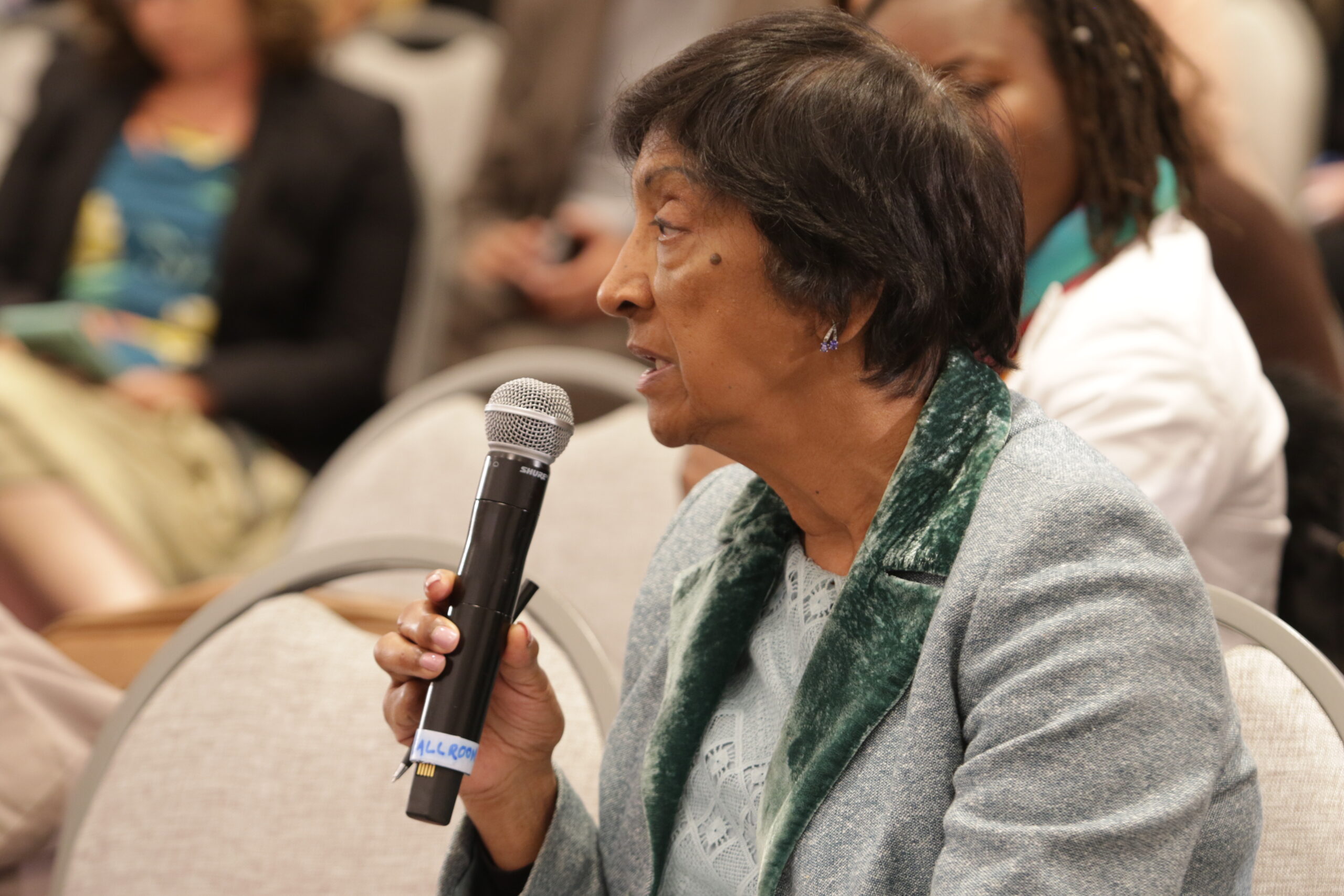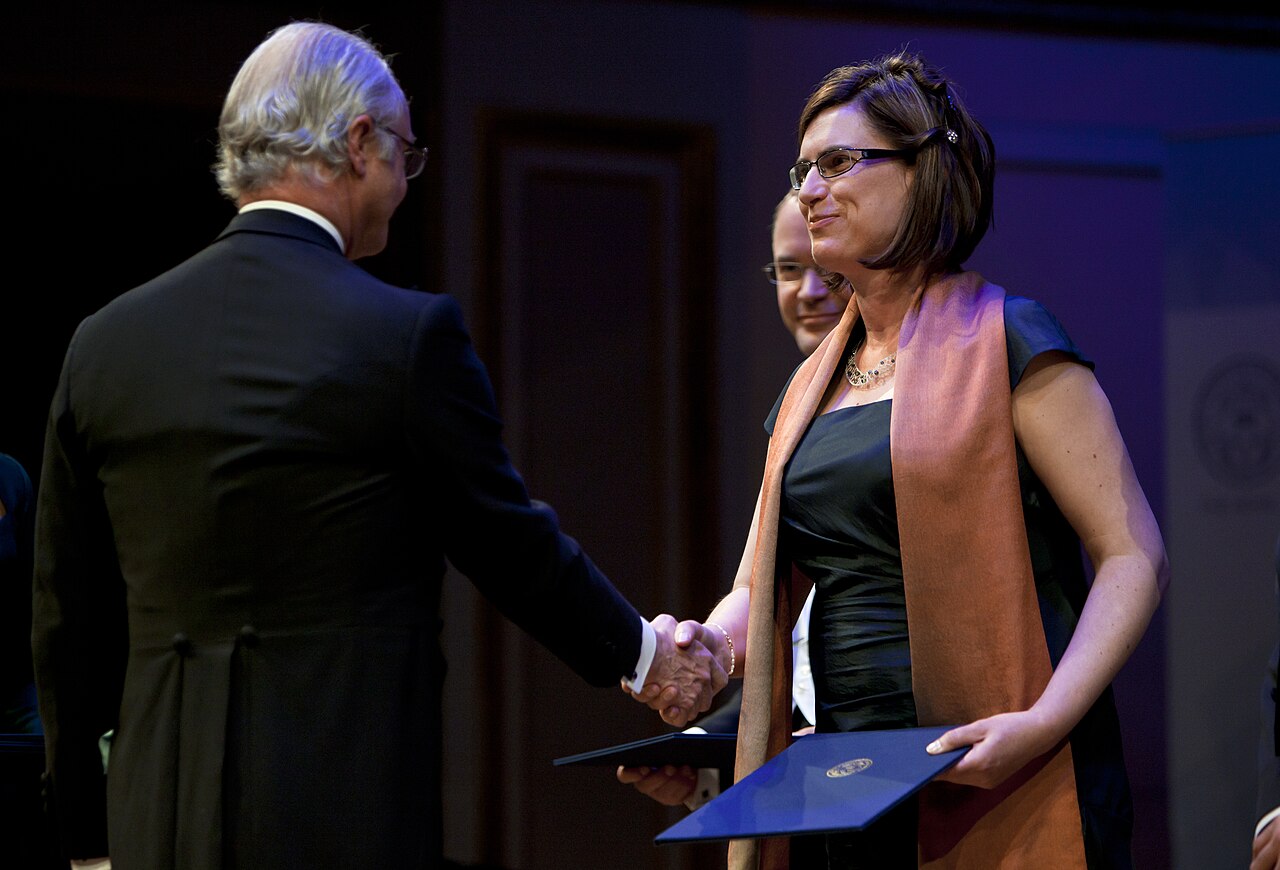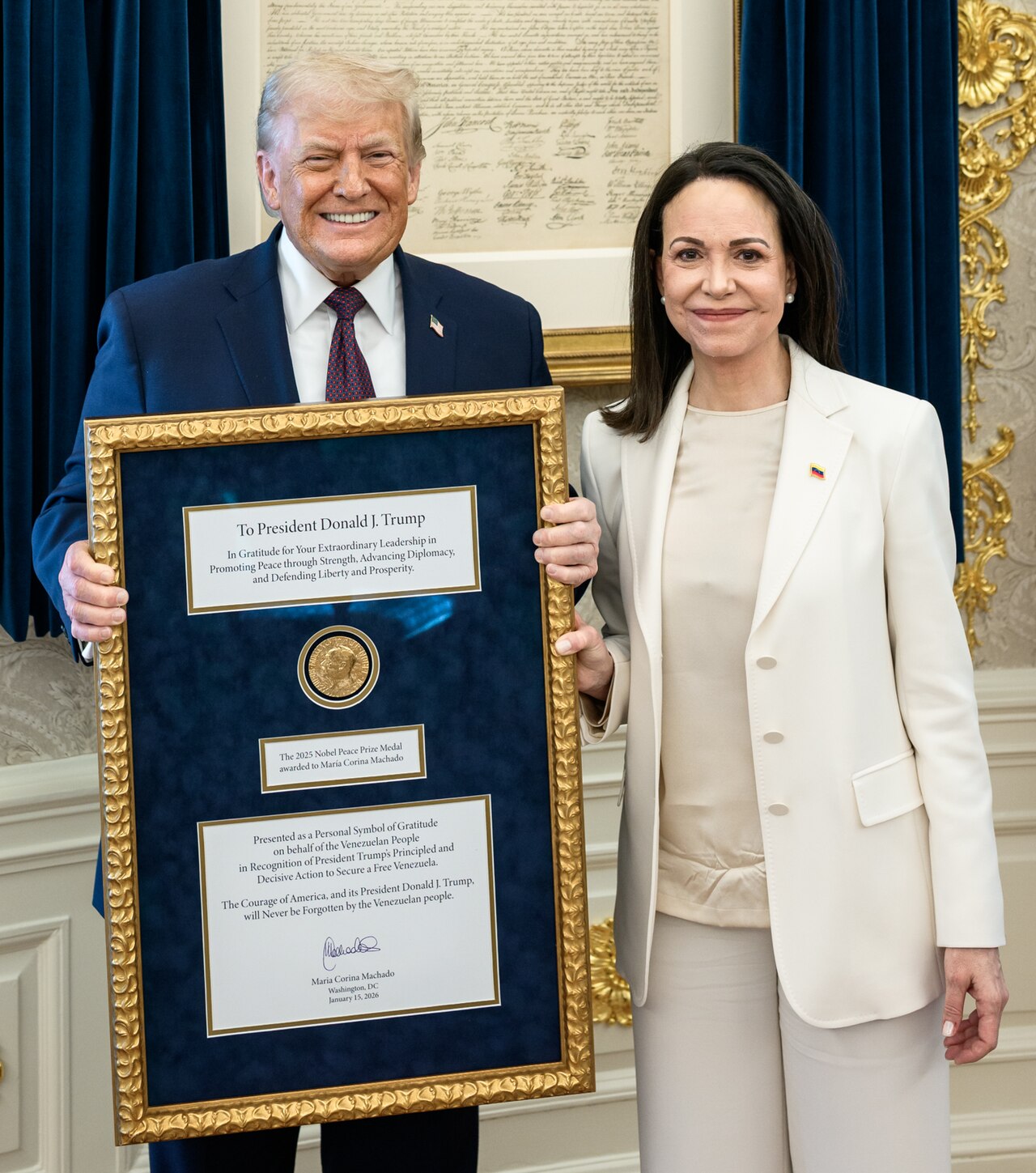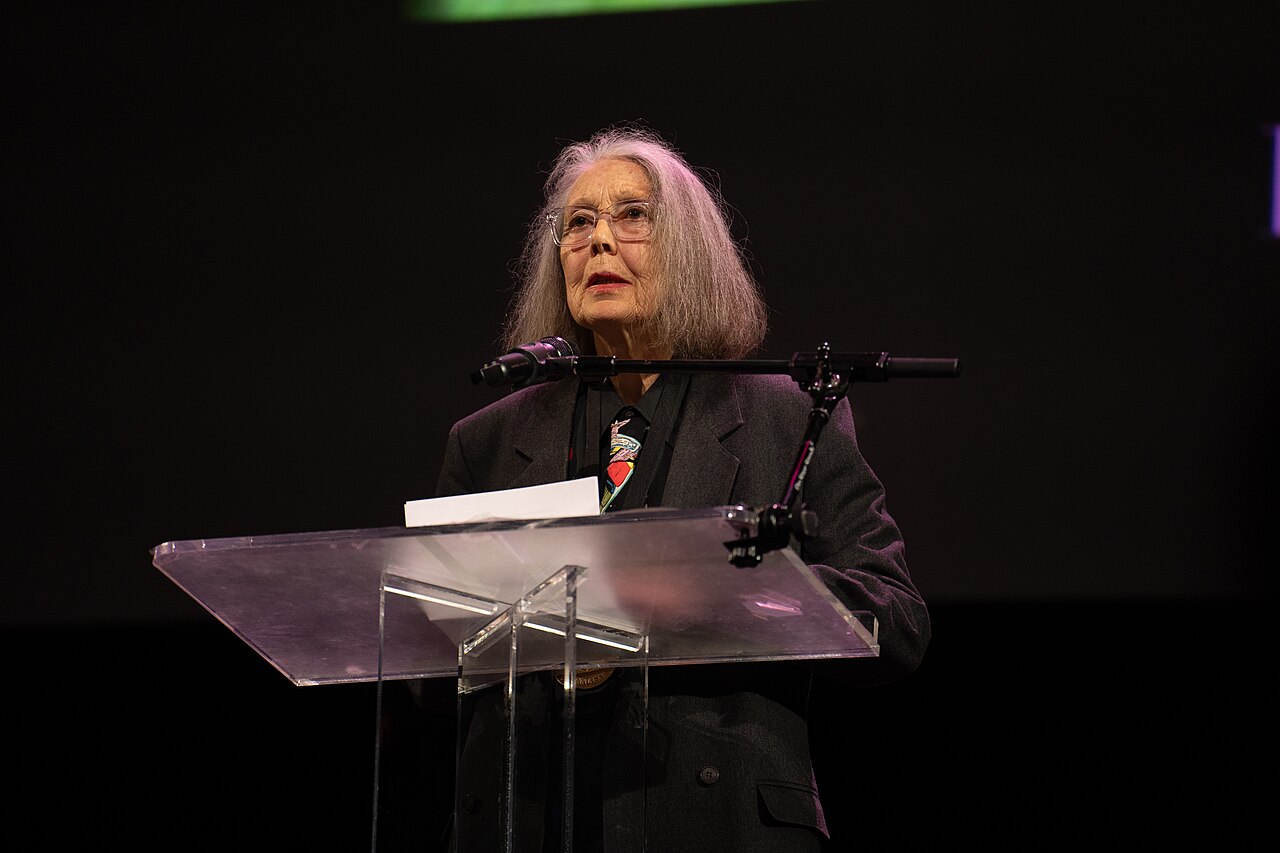







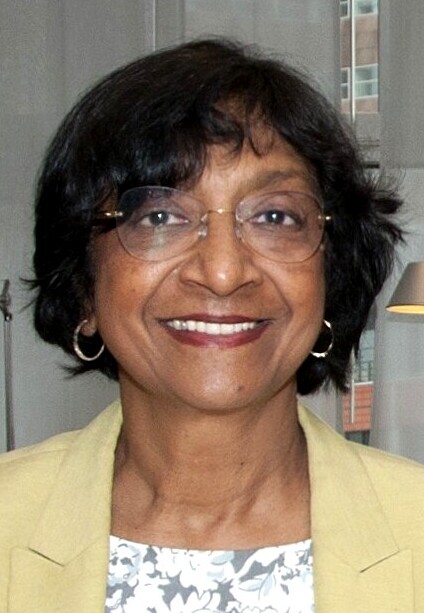
On Friday, 9 October 2026, the Norwegian Nobel Committee named 85-year-old South African jurist Navanethem “Navi” Pillay the winner of the 2026 Nobel Peace Prize. The prize was awarded “for her efforts to promote peace and international law,” capping a legal career that has spanned apartheid South Africa, the Rwanda genocide tribunal, the International Criminal Court, and the top human rights office at the United Nations.
Committee chair Jørgen Watne Frydnes called Pillay “one of the most courageous and important legal experts of our time” at the announcement ceremony in Oslo, praising her “commitment to universal legal principles” and her “firm moral compass” across a career that helped shape how the world prosecutes the worst crimes imaginable.
From Durban under apartheid to the world stage
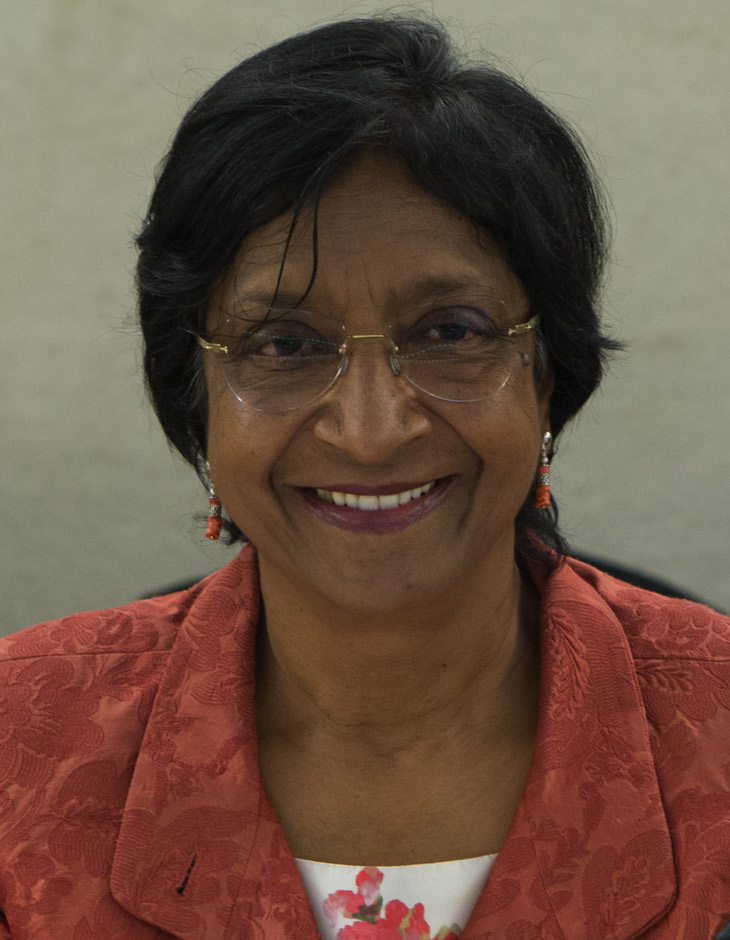
Pillay was born in Durban, South Africa, in 1941, the daughter of a bus driver in a poor family of Indian Tamil descent. She grew up under apartheid, at a time when discrimination sharply limited what non-white South Africans could achieve. Rather than accept those limits, she studied law at the University of Natal and in 1967 became the first woman of colour to open a legal practice in her home province of Natal.
Her early career was defined by defending anti-apartheid activists. In 1973 she successfully sued the government to establish that political prisoners on Robben Island — including Nelson Mandela — had the right to legal representation: a landmark victory against the apartheid machinery.
Her academic record was no less trailblazing: in 1988 she became the first South African to earn a Doctor of Juridical Science, Harvard Law School’s most advanced degree. A year after apartheid ended, in 1995, she became the first non-white woman appointed to South Africa’s High Court.
The landmark rulings that changed international law
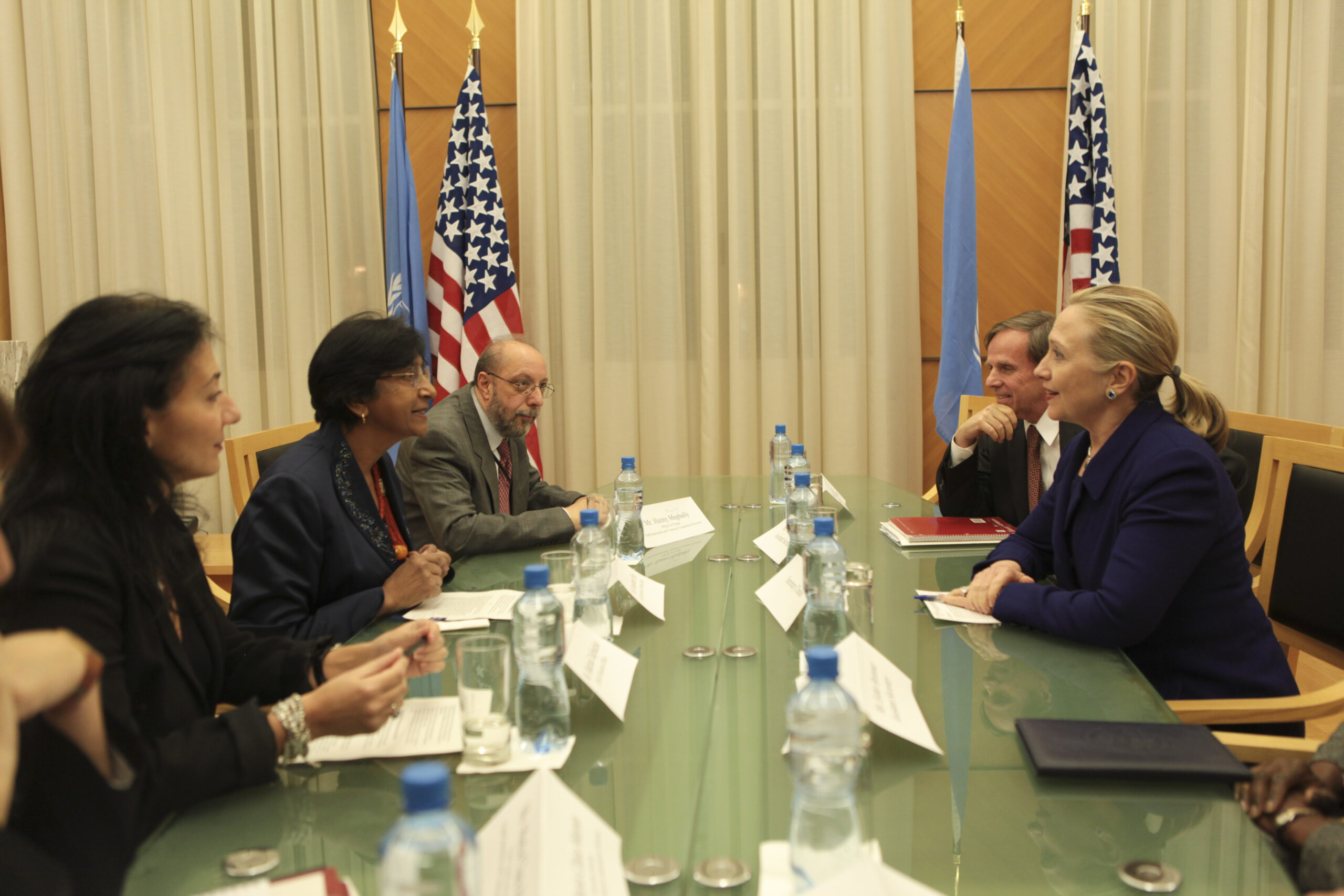
Pillay’s work soon took her to the international stage. She joined the International Criminal Tribunal for Rwanda, where she eventually served as judge and president, presiding over a case that established that rape and sexual assault could constitute acts of genocide — a legal precedent with enormous consequences for survivors of mass atrocities. She later served as a judge on the International Criminal Court from 2003 to 2012, and as the UN High Commissioner for Human Rights from 2008 to 2014.
Most recently, from 2021 to 2025, she chaired the UN’s Independent International Commission of Inquiry on the Occupied Palestinian Territory, which concluded that Israel had committed genocide against Palestinians in Gaza — a finding the Israeli government strongly rejected. Today she sits as an ad hoc judge on the International Court of Justice, the UN’s primary judicial body, in a case assessing whether Myanmar committed genocide against its Rohingya minority.
A fitting venue: Nuremberg
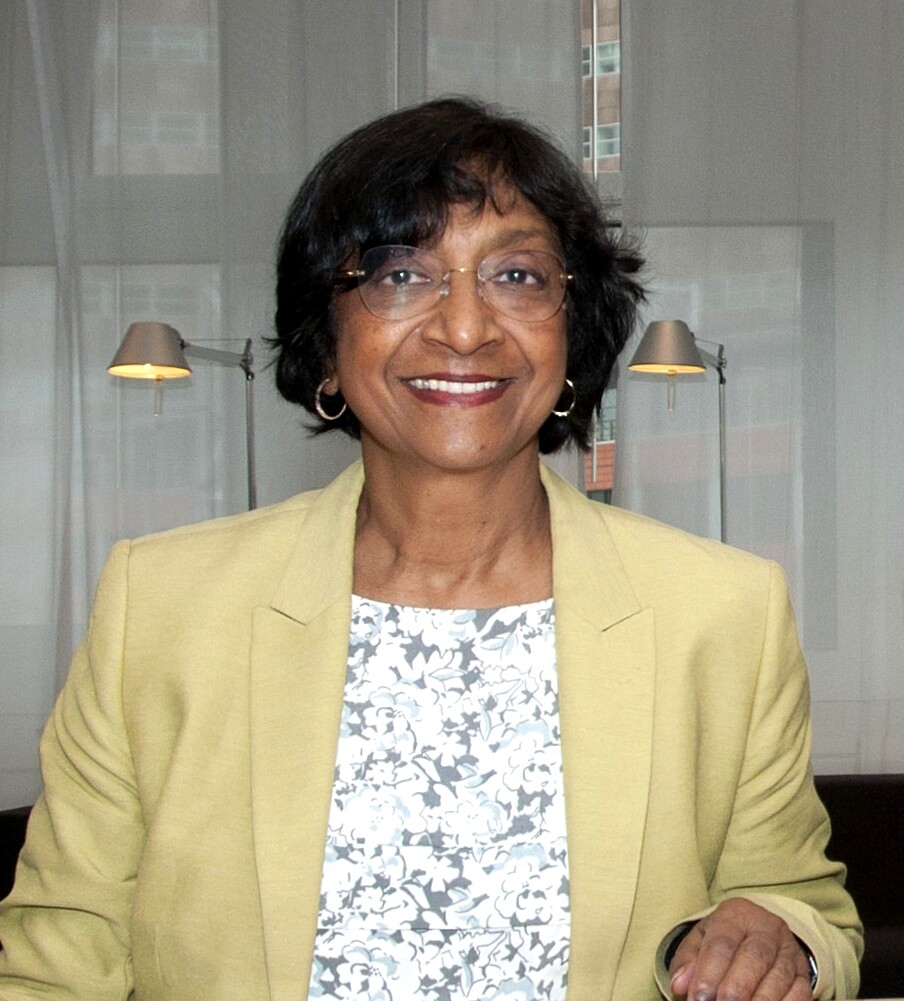
Pillay learned she had won the prize while attending an international law conference in Courtroom 600 of the Nuremberg Palace of Justice — the very room where Nazi leaders were tried for their crimes after the Second World War. Applauded by colleagues, she joked that, being a lawyer and a judge, she still wanted to verify the information before believing it.
She dedicated the award to “all of the survivors of international crimes” and to “defenders of international justice,” adding that the world is living through an era when international law and human rights face significant political pressure.
The reaction was swift. South Africa’s President Cyril Ramaphosa, UN human rights chief Volker Türk, and human rights advocates worldwide praised the decision. South Africa’s ambassador to Washington noted that Pillay is the fifth South African to win the Peace Prize — after Chief Albert Luthuli, Archbishop Desmond Tutu, Nelson Mandela, and F.W. de Klerk — and the first woman.
What it means
The 2026 prize arrives at a pointed moment. The Nobel Committee said continued attacks on the rule of law had influenced its choice, calling international law and its institutions “the cornerstone of a more peaceful world.” Hours after the announcement, the United States issued new sanctions against the International Criminal Court — an institution whose defence is essentially what this prize honours.
This year’s award carries 12 million Swedish kronor, roughly $1.2 million, and was chosen from 287 nominations. It also marks the 125th anniversary of the Nobel Peace Prize, first awarded in 1901 and established by the will of Swedish inventor Alfred Nobel — a reminder that while the Peace Prize is handed out in Oslo, the whole Nobel tradition remains one of Sweden’s great gifts to the world.
Pillay will receive the prize at the traditional ceremony in Oslo on 10 December. Between now and then, the spotlight on her work — and on the courts and institutions she has spent six decades defending — will only grow. For a woman who once fought for the right of Robben Island prisoners to simply have a lawyer, it is about as fitting a stage as there is.