








It has been more than eight years since Tim Bergling died in Muscat, Oman, on April 20, 2018. He was 28. And yet, if you walked into any major dance festival this summer, you would have heard him.

The sound that rewired pop
Before Avicii, the idea of a Swedish DJ folding bluegrass and folk into festival house would have sounded like a dare. “Wake Me Up,” released in 2013 with vocals from Aloe Blacc, did exactly that, and it became one of the biggest songs of the decade, a track that turned EDM from a club concern into a stadium language. “Hey Brother” doubled down on the formula. “The Nights,” “Addicted to You,” “Waiting for Love”: the run of singles from True (2013) and Stories (2015) barely missed.
And then there is “Levels.” Released in 2011, built on an Etta James sample, it remains the definitive EDM anthem, the track that plays in every DJ’s emergency slot. Swedish House Mafia dropped it into the hardest stretch of their Portola Festival set just this month, and the reaction was the same as it has always been: total delirium.
The cost of the machine
Bergling’s story is inseparable from what the industry took from him. Years of relentless touring, hundreds of shows a year, left him with acute pancreatitis, gallbladder and appendix surgeries, and a dependence on painkillers and alcohol that he spoke about openly. In 2016 he retired from touring, telling fans the schedule was killing him.
After his death, his family completed the album he had been working on. Tim, released in June 2019, gave the world “SOS” with Aloe Blacc, “Heaven” and “Tough Love,” songs that felt like messages from a person still working things out. The Tim Bergling Foundation, set up by his family, works on mental health and suicide prevention, and it has become one of the most meaningful parts of his legacy.
The arena, the documentary, the name
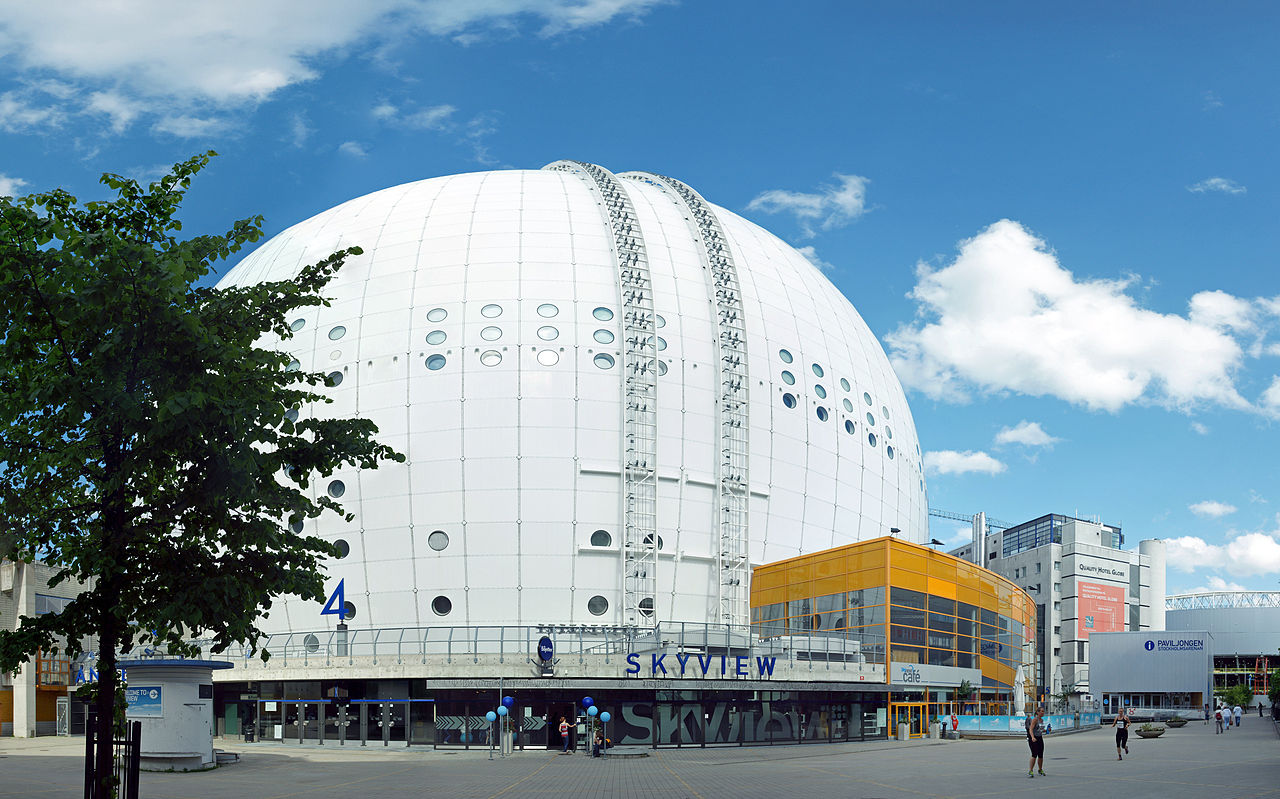
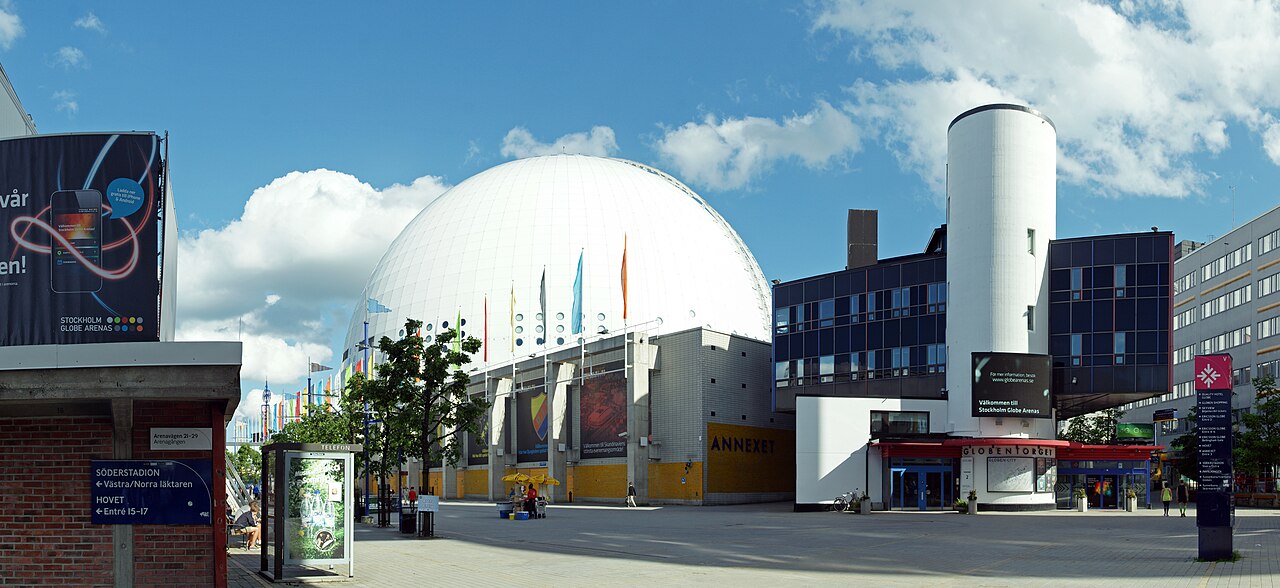
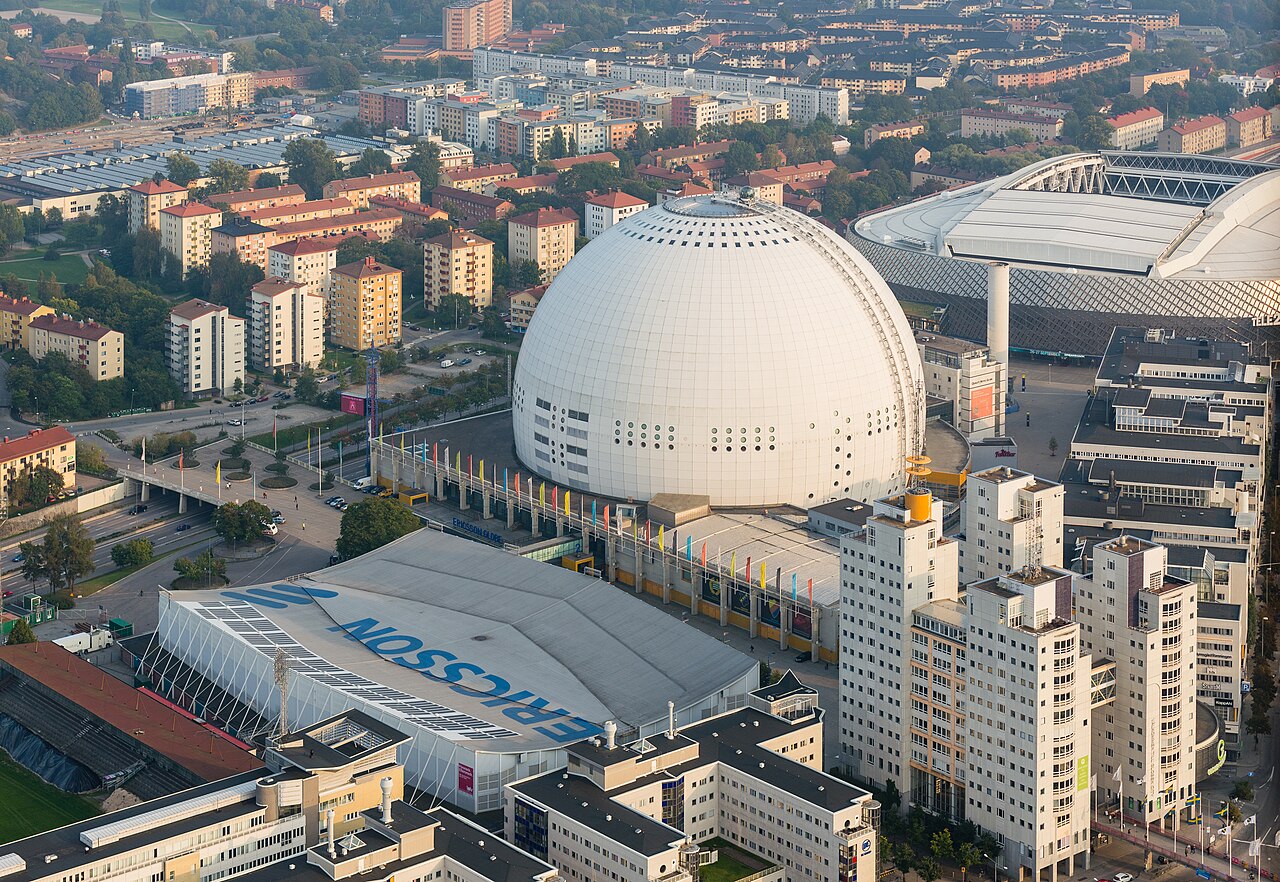
In May 2021, Stockholm’s Ericsson Globe was renamed the Avicii Arena, a permanent mark on the city’s skyline. It has since hosted the biggest nights in Swedish music: Robyn played three sold-out shows there in July, and Tove Lo closes her European tour on its stage this November. There is something quietly powerful about the country’s biggest pop moments now happening under his name.
The Netflix documentary “Avicii: I’m Tim,” released at the end of 2024, introduced his story to a new generation, using his own words and footage to show the kid from Stockholm who made music in his bedroom and ended up soundtracking the planet.
The collaborator behind the curtain
Bergling’s influence extended well beyond his own singles. He co-wrote and played piano on Coldplay’s “A Sky Full of Stars,” one of the biggest songs of 2014, a collaboration born from mutual admiration that showed how far his melodic instincts traveled outside dance music. He worked with Madonna, with Nile Rodgers, with Wyclef Jean. The folk-EDM wave he kicked off with “Wake Me Up” spawned a thousand imitators, but the originals still tower over them because the songwriting was real: verse, chorus, bridge, songs you could play on an acoustic guitar and still feel.
That is the part of his legacy that gets underrated. Strip the drops away and you are left with melodies that hold up in any genre. It is why his music keeps getting covered, remixed and rediscovered by people who were children when “Levels” came out.
Why it endures
Plenty of artists die young and get a tribute cycle. Avicii got something rarer: his music never left the rotation. “Wake Me Up” still closes festival main stages. “Levels” still works on every crowd from teenagers to their parents. The melodies were built to last, and they have.
Tim Bergling wanted to make music that made people feel something bigger than the room they were in. Eight years on, walk into any big room on earth and you will hear it working. The dancefloor still belongs to him.