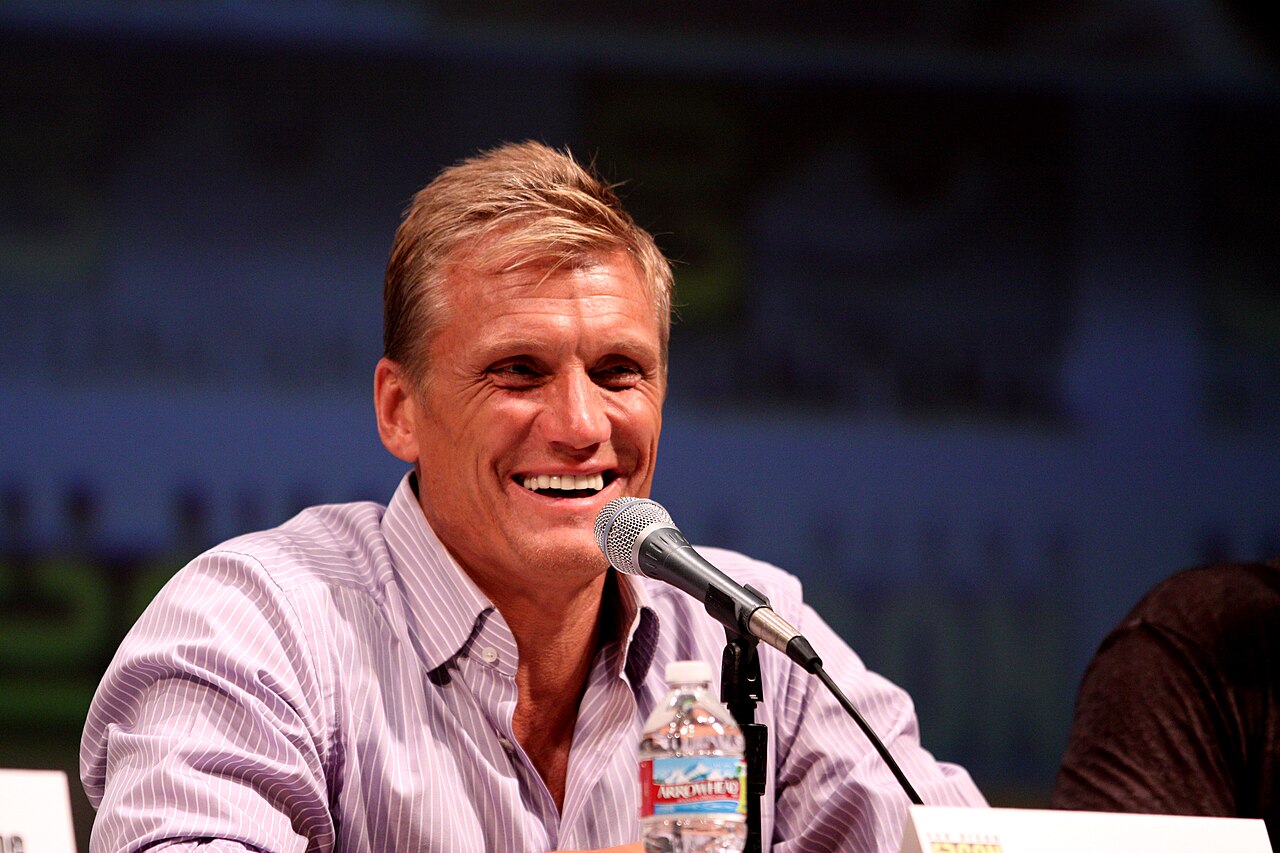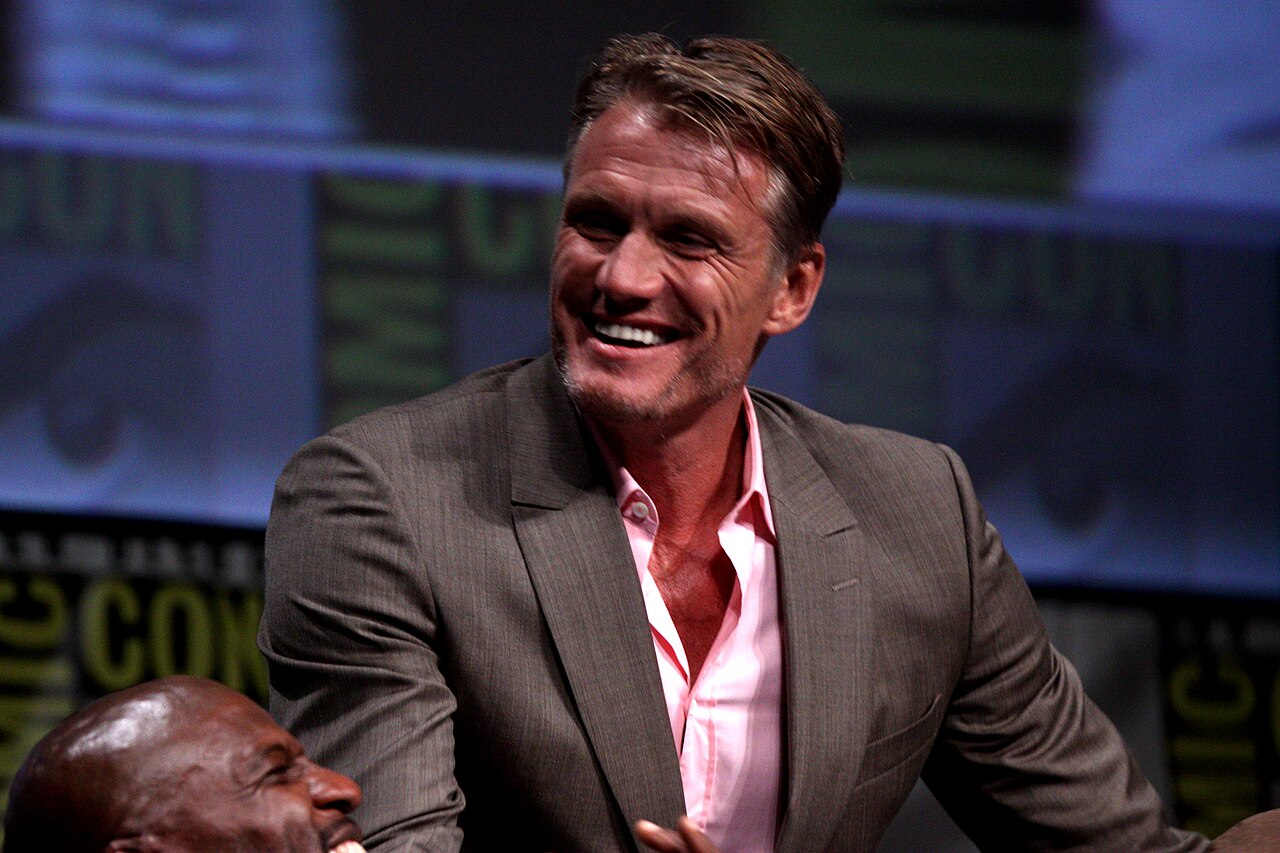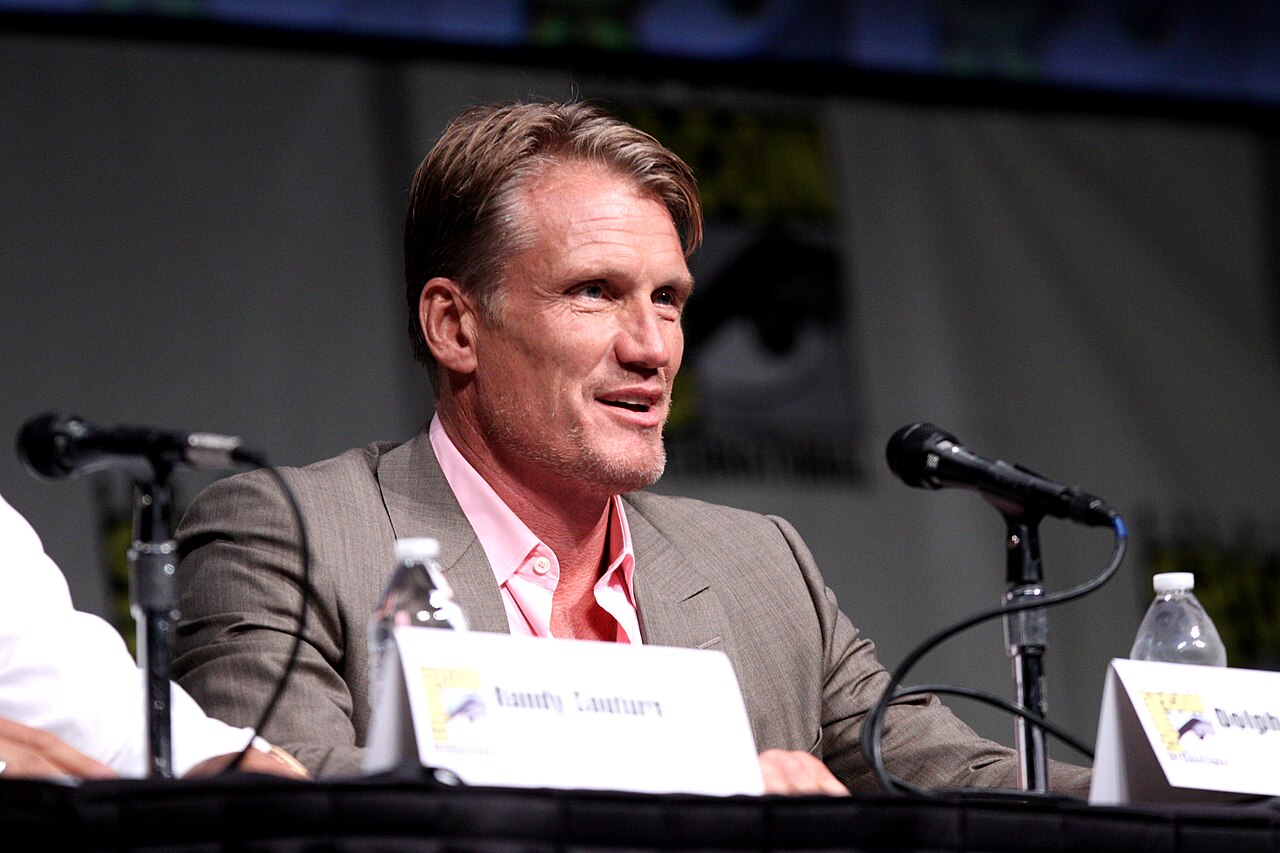









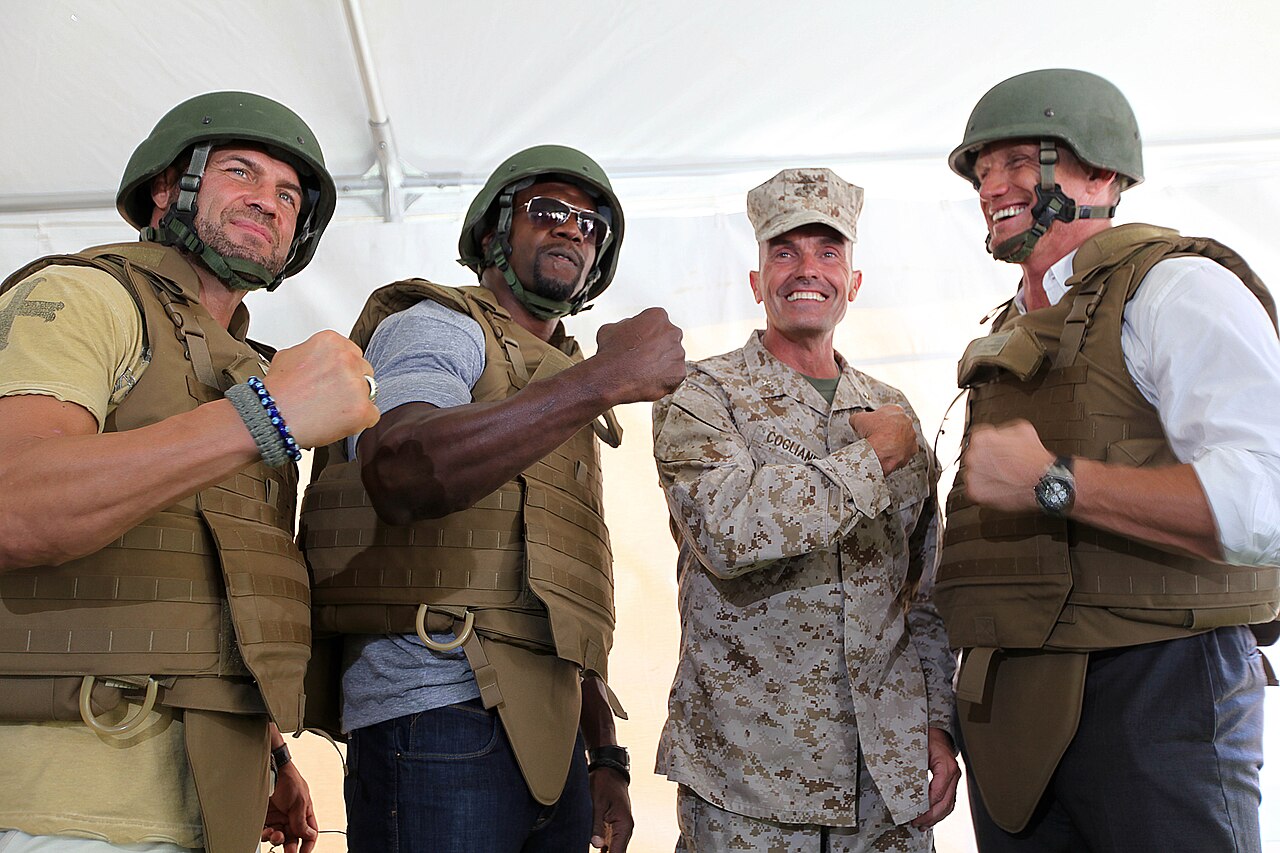
“I must break you.” Four words, one accent, and Dolph Lundgren became immortal in 1985. Forty-one years later, the 6’5″ Swede from Spånga is still standing, still working, and about to publish the most personal thing he has ever made: a memoir called Fights Worth Fighting: Finding Strength in Struggle, out September 22 from Harper Horizon.
The book: no more Drago mask
Lundgren has been promoting the memoir with a US book tour that kicks off in Venice, California on September 15 and runs through late September. The early descriptions promise the real story behind the action figure: his upbringing in Sweden, his rise from chemical engineering student to martial arts champion, and his transformation into an international movie star.
It also goes to difficult places. Lundgren has spoken publicly about his battle with cancer, and the memoir reportedly confronts it directly, along with the misdiagnoses that once left him believing he had only a few years to live. For a man whose screen persona was built on invulnerability, writing honestly about fear and depression is the bravest fight of his career.
The unlikely path to Rocky IV
The backstory still sounds like fiction. Hans Lundgren was a chemical engineering student who earned degrees and scholarships, a karate champion with genuine academic talent. Modeling work brought him to New York, where a relationship with singer Grace Jones pulled him into the downtown scene. Then Sylvester Stallone cast the unknown Swede as Ivan Drago in Rocky IV, and the most famous Soviet villain in cinema history was born.
What followed was the classic 80s and 90s action run: Masters of the Universe (1987) as He-Man, The Punisher, Universal Soldier, Johnny Mnemonic. When the genre faded, Lundgren did what few action stars manage: he reinvented himself as a director and producer, then rode the 2010s nostalgia wave back to the big screen with The Expendables franchise, Creed II (reprising Drago, of all things), and Aquaman.
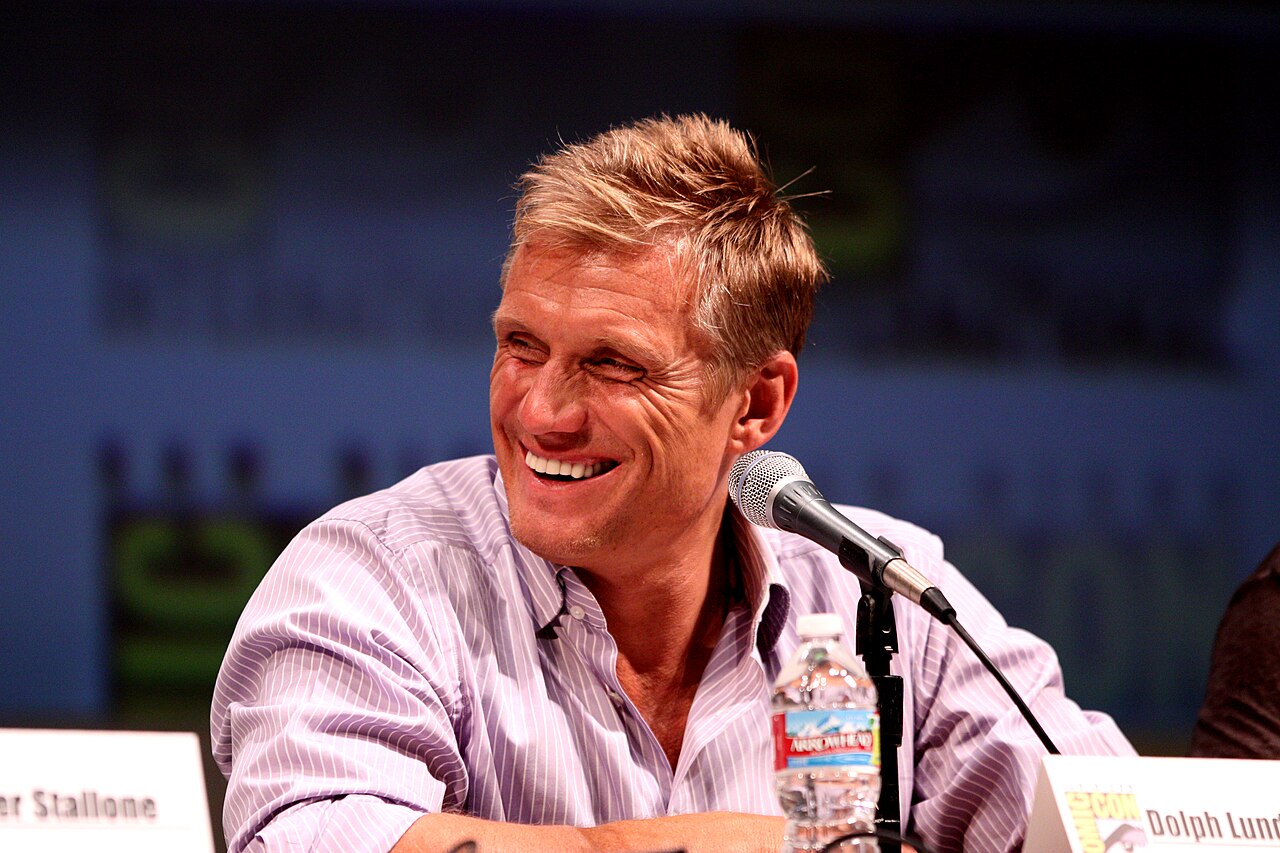
The He-Man full circle
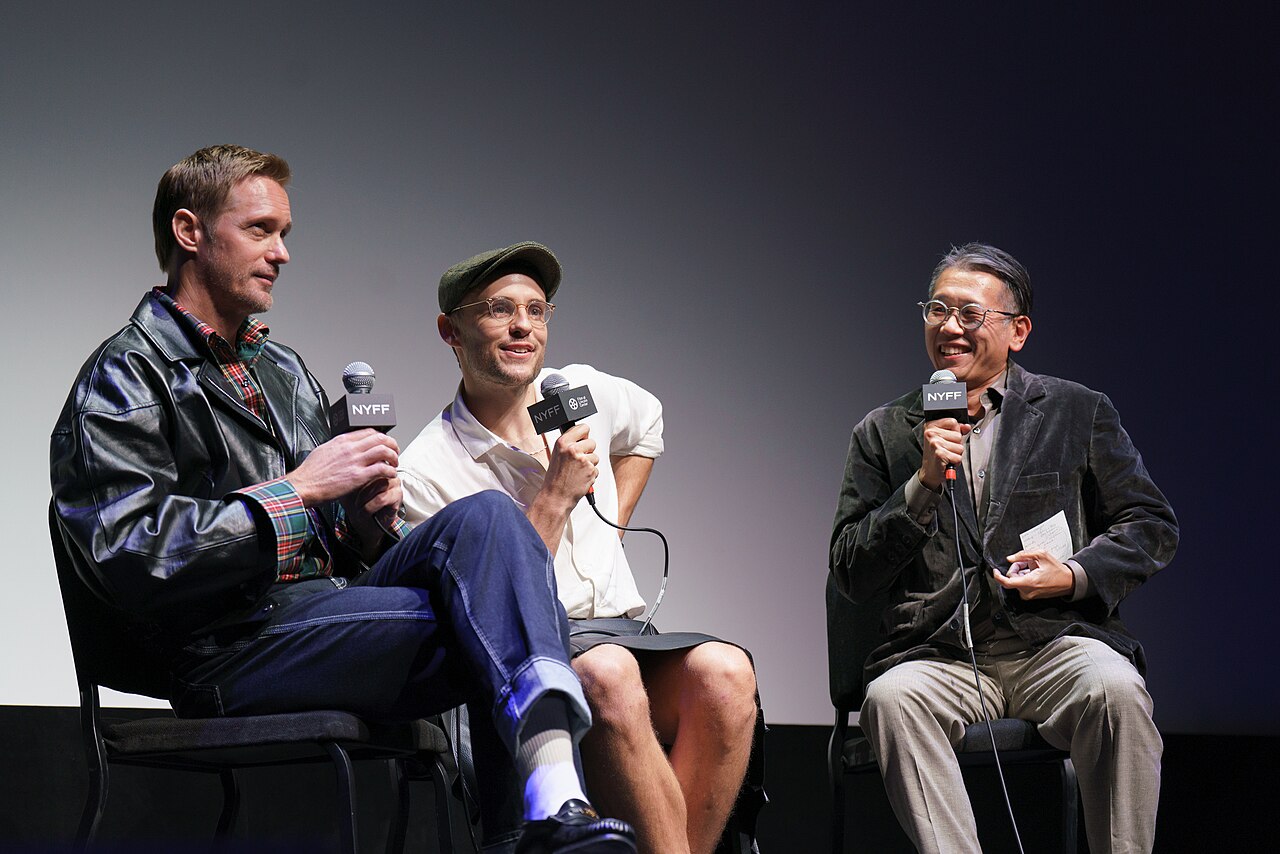
This summer brought a lovely piece of symmetry. Lundgren confirmed in May that he appears in the new Masters of the Universe film, nearly forty years after he first picked up the sword as He-Man. He plays a small mentor role, appearing when the new He-Man, Nicholas Galitzine, needs crucial advice at a key moment. Lundgren described filming it as surreal, like talking to a younger version of himself. The only two actors to ever play He-Man in live action, sharing the screen. That is how you do a legacy sequel.
The second act most action stars never get
Lundgren’s longevity deserves its own paragraph. When the 80s action era ended, plenty of his contemporaries faded into convention appearances. He went behind the camera instead, directing and producing his own films through the 2000s, learning the business from the other side. Then came the nostalgia boom, and he was ready: The Expendables films put him back in front of global audiences, Creed II gave Ivan Drago an actual character arc thirty-three years later, and Aquaman introduced him to a new generation as King Nereus.
Off screen he has been just as busy. He launched a vodka label, promoted the documentary Unbreakable on the festival circuit, and built a second career as a public speaker on discipline and resilience. The memoir, written with Robert Greenfield, is the capstone: the moment the man behind the muscles finally tells his own story in his own words.
Why the memoir matters
Action stars do not usually write reflective books about resilience and reinvention. But Lundgren was never a typical action star. The chemical engineer who became a karate champion who became Ivan Drago who became a director who survived cancer has lived about five lives, and Fights Worth Fighting is his attempt to make sense of all of them. For Swedish readers especially, it is the homecoming story: the boy from Spånga who went to Hollywood and came back with something to say.